
Diving into the world of Pokémon cards is like opening a time capsule that takes us back to precious moments of our childhood. This passion has continued to grow since the release of the Pokémon Trading Card Game (TCG) in 1996, transforming a simple hobby into a true global phenomenon. Today, whether it’s a freshly opened booster or a patient search through flea markets, the question of rarity of Pokémon cards always excites collectors, both beginners and seasoned alike. Understanding what makes a card rare, valuable, or even historic has become fundamental knowledge, just like mastering the mechanisms for estimating their value. This comprehensive guide breaks down for you the symbols, types of editions, Japanese and Western subtleties, as well as the various influences that can turn an ordinary card into a genuine investment or a jewel of limited edition.
Beyond aesthetics and memories, the current 2026 market reflects a fascinating complexity of this passion, where collectors compete with attention to find the rare gem. From simple personal collections to expert trading, each card tells a story and represents a precious fragment of a fantastic universe that has never stopped evolving. Here is a detailed overview to unravel the mysteries of Pokémon card rarity, an adventure full of discoveries and emotions.
Decoding Rarity Symbols of Western Pokémon Cards to Better Invest in Your Collection
In the world of Western Pokémon card games, the key to understanding a card’s value often lies in a small symbol located at the bottom right of the card. This simple yet effective system distinguishes four main rarity categories, essential for any enthusiast wishing to evaluate or enrich their collection.
The four fundamental symbols are:
- The circle (●): Indicates a common card, often easy to find and abundant in boosters, constituting about 70% of the pack’s content.
- The diamond (◆): Represents an uncommon card, a bit harder to obtain, generally 20% of each booster.
- The star (★): Signals a rare card, much more sought after but present at only 10% in the opening of traditional packs.
- Ultra rare cards: Without a defined symbol, they stand out by unique design or special finish, appearing exceptionally with a very low frequency.
These classifications directly influence the financial and sentimental value of the cards. To give a framework, imagine a collector interested in their booster: they will often have 7 common cards, 2 to 3 uncommons, and one rare card per pack. But finding an ultra rare sometimes requires opening ten to twenty boosters, which explains their higher market price.
The differences between editions, such as French or American versions, do not fundamentally alter this hierarchy, which establishes reassuring stability for collectors and investors. This consistency has partly contributed to the financial sustainability of the Western Pokémon card market, unlike some other card games where fluctuations are more pronounced.
Understanding these symbols also helps avoid unpleasant surprises, especially during online purchases or trades. Before investing in a rare or limited edition card, checking the presence and type of symbol sheds light on its authenticity and potential.
The Different Types of Shine: A Key Criterion to Distinguish Rare Pokémon Cards
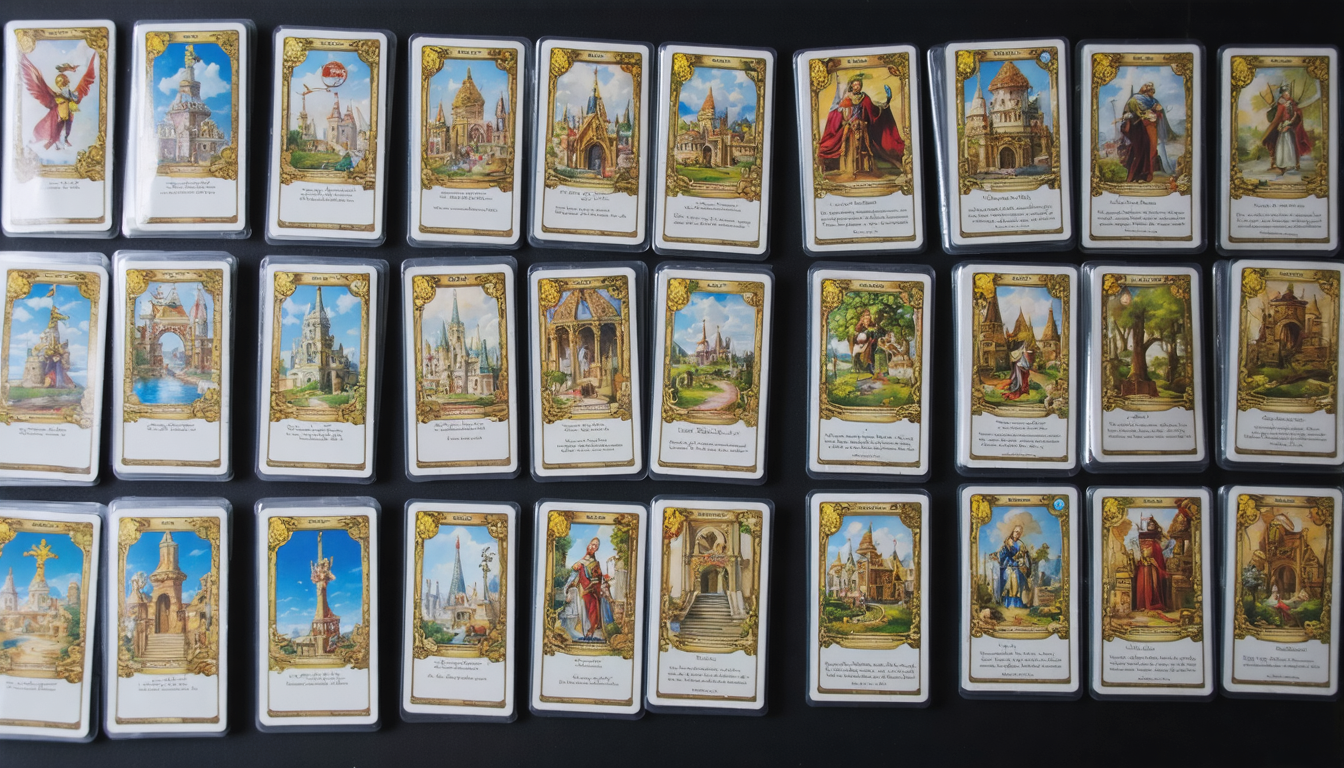
The rarity of a Pokémon card is not limited to edition symbols. Another important, sometimes decisive factor in its evaluation is the type of shine. Since the first edition, shiny cards have always sparked particular enthusiasm. But not all shines are equal!
Here are the main types of shine encountered in the game:
| Type of Shine | Visual Characteristics | Example of Rarity |
|---|---|---|
| Simple Holo | The illustration alone is holographic | Rare |
| Reverse Holo | Holographic surface covering the entire card except the illustration | Variable (common to rare) |
| Full Art | Illustration covering the entire card, unique design | Ultra rare |
| Rainbow rare | Rainbow effects, with a very pronounced texture | Hyper rare |
For example, a simple holo card can already multiply its value compared to its equivalent common version, while a full art attracts more attention due to its aesthetics and rarity. These distinctions are fundamental for the collector who wishes to estimate the value of their card or identify a limited edition card.
Reverse holo cards, introduced more recently, offer an interesting compromise: they retain a classic element while bringing subtle sophistication. One might mention the anecdote of an enthusiast who traded common cards many times until coming across a reverse holo Pikachu, elevating their collection a notch.
The gradual appearance of these innovative finishing techniques has also energized the market by creating a finer hierarchy. It recalls trends observed in other universes, such as the Dragon Ball Legends TCG, where each type of illustration and shine comes with a specific value and rarity.
Why Does Shine Influence a Card’s Value So Much?
The answer lies in the visual impact and the psychology of the collector: a shinier card or one with a special effect is perceived as more prestigious and harder to find. It is therefore a strong marker of rarity, often sought after to beautify one’s collection or make an investment.
Understanding the Japanese Rarity System for Pokémon Cards: Another Universe for Enthusiasts
Internationally, Pokémon card rarity is not limited to Western symbols. The Japanese market, the primary source of expansions, has developed a specific and differentiated system based on an alphabetical nomenclature.
Here are the main designations used in the Japanese series:
- C (Common): Common cards easy to obtain.
- U (Uncommon): Uncommon card, slightly more difficult to acquire.
- R (Rare): Classic rare card.
- RR (Double Rare): A level above, often with exceptional shine.
- SR (Secret Rare): Very coveted secret cards, often limited in number.
- UR (Ultra Rare): Ultra rare cards, extremely sought after by collectors.
The Japanese system is all the more fascinating as these cards are regularly released several months before their Western launch, granting a temporal exclusivity. This temporality also leads to international exchanges and speculation, where experts eagerly watch for new Japanese releases.
The Japanese print quality is often praised for its excellence, with brighter colors and more precise finishes. Many experienced collectors prefer these versions, not only for their aesthetics but also for their often higher resale potential.
Japanese secret cards sometimes represent a better investment due to their limited circulation, and are at the heart of a dynamic cross-border market, where European or North American enthusiasts seek to acquire rare pieces otherwise unattainable.
Typical Distribution of Cards in Boosters: How to Assess Your Chance of Finding a Rare Card
Knowing the general composition of a booster is a well-kept secret among collectors to optimize their purchases. In a standard pack, the distribution follows an approximate rule:
- 70% common cards, easily accessible to enrich the base of one’s collection.
- 20% uncommon cards, a bit harder to obtain but essential for assembling competitive decks.
- 10% rare cards, often holographic or benefiting from a special finish.
This breakdown explains why opening a simple booster is both a surprise and a challenge, with a limited probability of finding extremely sought-after cards. Some professional collectors invest in entire packs or sealed boxes to optimize their chances, a strategy to consider for a long-term investment.
These figures remain indicative since where boosters sometimes contain an ultra rare, others may contain several rare holographic cards. The market evolves in 2026 with special editions and thematic packs occasionally modifying these proportions to attract the most demanding enthusiasts.
Here is a table summarizing this distribution in standard boosters:
| Type of Card | Symbol (Western) | Estimated Proportion in a Booster |
|---|---|---|
| Common Card | Circle (●) | 70% |
| Uncommon Card | Diamond (◆) | 20% |
| Rare Card | Star (★) | 10% |
| Ultra Rare | No symbol | <1% |
Limited Editions and Their Secrets to Collecting High-Value Rare Pokémon Cards
In the world of the Pokémon TCG, limited editions hold a special place as they often embody exclusivity and rarity. These are special or promo cards, sometimes distributed during events or in very limited quantities.
Among them, you will find:
- So-called “promo” cards, generally given away at official events, competitions, or at the release of a Pokémon movie.
- Cards whose print run is intentionally limited to a few thousand copies, authenticated by signatures or specific marks.
- Misprint cards, unintentional, which can become true gems for expert collectors.
Collecting these limited editions requires not only patience but also a fine knowledge of the market and dynamics around each release. These cards, due to their rarity and popularity, often see their value skyrocket over the years, constituting a potentially lucrative investment when kept in optimal condition.
The famous example of the 1st Generation Charizard Limited Edition card perfectly illustrates this phenomenon: its rarity coupled with worldwide demand makes it one of the most coveted and expensive cards to date.
How to Recognize and Evaluate a Rare Pokémon Card: Practical Tips for Enthusiasts
Identifying a rare card is not limited to observing a symbol or shine; several criteria come into play. To help you better understand, here are some key tips:
- Check the rarity symbols: circles, diamonds, and stars are your first guides.
- Examine the type of shine: full art, reverse holo, or rainbow rare, the finish makes all the difference.
- Consider the series and edition: some expansions are more sought after depending on their age or popularity.
- Condition of the card: a card in perfect condition (no bends, no scratches) has a much higher value.
- Specific rarities such as promos or limited editions: often mentioned in specialized databases.
A combined approach to these factors will give you a clear and fair view to evaluate and, why not, invest wisely in your passion. In 2026, digital tools now allow for precise estimates, but nothing replaces a trained eye and good market knowledge.
The Impact of Rarity on Pokémon Card Value and Market Trends in 2026
The link between rarity and value is incontestable, but it is also nuanced by market conditions and trends. In 2026, the Pokémon card market remains dynamic, with growing demand for rare cards and limited editions.
Rarity creates tension between supply and demand. The harder a card is to find, the higher its value, especially if it is associated with an iconic Pokémon or belongs to a highly appreciated series. This trend is notably observed in auctions or specialized online platforms.
Factors influencing card value include:
- Physical condition: a perfect card can be worth up to 10 times more than a damaged card.
- Popularity of the Pokémon: Charizard, Pikachu, or Mewtwo for example often dominate the ranking of the most expensive cards.
- Edition: first edition, limited edition, or exclusive Japanese cards gain in value.
- Type of shine: full art and rainbow rares particularly attract investments.
There is also a rise in passion from new collectors from the digital generation, who actively participate in valuing this market. This creates a dynamic that feeds the reputation of Pokémon cards as both playful and profitable collectibles.
It is advised to follow recent sales and price indices to refine your choices, a process made more accessible thanks to the multiplication of specialized databases and online enthusiast communities.

Common Mistakes to Avoid to Protect Your Collection of Rare Pokémon Cards
Finally, in your quest for rare cards, it is crucial to guard against traps and common mistakes to secure your investment and passion.
Here are the mistakes to avoid:
- Not verifying authenticity: counterfeits are numerous, especially online.
- Ignoring physical condition: a worn or altered card loses much of its value.
- Relying solely on the symbol: some special editions may not follow the classic rule.
- Lacking information: neglecting research on series and print runs.
- Letting your cards lie around: improper storage can weaken your treasures.
By following these tips, you put all the odds on your side to keep an intact and valued collection. Developing a critical eye is an essential skill that accompanies every collector in their discoveries and purchasing decisions.