
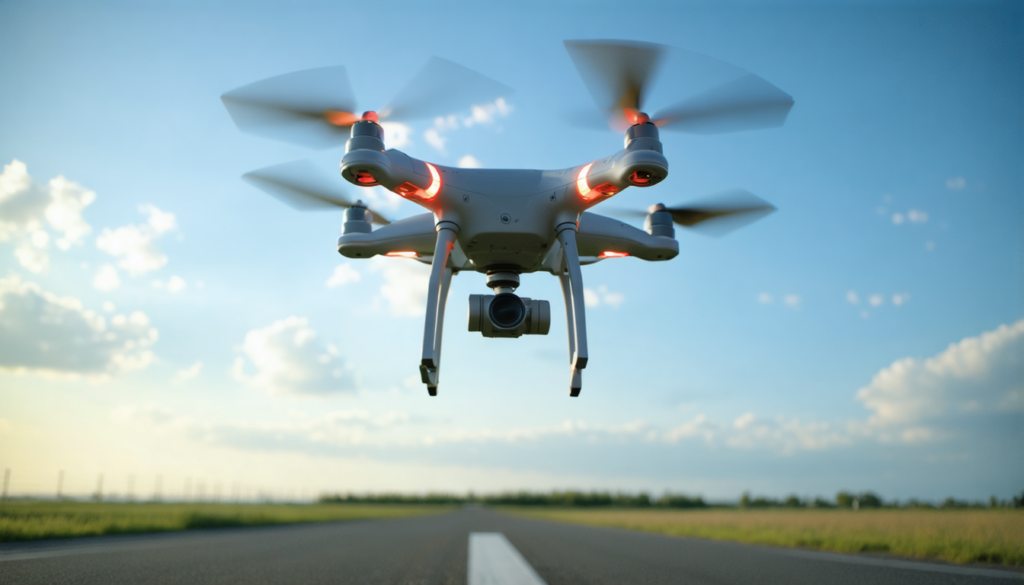
Drone piloting has become a popular leisure activity that attracts thousands of enthusiasts every year. However, taking to the skies with this small high-tech aircraft is not something you can improvise. The fun and exhilarating experience can quickly turn into a nightmare if good practices are not followed from the very beginning. Between mastering the technical controls, strictly complying with regulations, and progressively acquiring safety reflexes, it is essential to arm yourself with solid knowledge before taking off. This practical guide provides a comprehensive overview of the essential tips and tricks to start drone piloting well in 2026, a year when technological and legislative developments make this discipline both more accessible and demanding.
Throughout the sections, you will discover an educational path designed to guarantee optimal progress. We will cover the basics of piloting by detailing the key controls, training methods including the use of simulators and exercises adapted to different levels. The regulations, often seen as complex, will be clearly explained to avoid any misunderstanding that could lead to severe penalties. Furthermore, the technical preparation of your drone before each flight, as well as good safety practices, will be extensively developed to protect both your investment and your environment.
Drone practice is a subtle mix of precision, rigor, and creative pleasure. Whether you want to take aerial photos, explore inaccessible landscapes, or simply have fun with this flying vehicle, this guide will accompany you step by step. Becoming a responsible and informed pilot also means contributing to a community that respects spaces and laws. Join us on this captivating adventure toward mastering the skies where every takeoff is a promise of wonder and learning.
The fundamentals of drone piloting: understanding the control axes to start well
Before taking your drone in hand, it is crucial to understand the mechanics of the controls that govern its movement in space. Drone piloting is mainly based on four essential control axes that every beginner must know in detail. Thus, we talk about the throttle, yaw, pitch, and roll. These axes correspond to precise movements that the pilot controls via the two sticks of the remote control.
The throttle controls the ascent and descent of the drone. It is the left stick pushed forward or pulled backward. Increasing the throttle makes the drone gain altitude; decreasing it makes it descend. Precise management is necessary here because a too rapid ascent or a sudden descent can destabilize the device, especially outdoors with wind.
The yaw corresponds to the horizontal rotation of the drone on itself, around the vertical axis. It is controlled by moving the left stick sideways. This control is essential to orient the device without changing its position in space. For example, to face an area of interest before taking a photograph.
The pitch refers to the forward/backward tilt of the drone, manipulated via the right stick. Pushing the right stick forward tilts the drone forward, causing it to move in that direction, while pulling it backward makes the device move backward.
Finally, the roll is the lateral tilt of the drone, also controlled by the right stick but in lateral movement (left/right). This control allows the drone to move sideways smoothly and perform coordinated turns.
By combining these four axes, a novice can fully control the drone and master its movement in three dimensions. However, training regularly on these controls is essential: coordinating both sticks and managing the axes simultaneously requires practice to become natural. Some beginners report having spent dozens of hours simulating these maneuvers before attempting a real flight.
Here is a list of the main tips to master these axes:
- First practice on a flight simulator: it helps acquire dexterity without risking damage to your equipment.
- Break down your training: work on one axis at a time before combining them.
- Be patient: mastering throttle and yaw requires concentration, especially during takeoffs and landings.
- Prefer open environments for your first flights to minimize accident risks.
- Use assisted modes offered by many drones to facilitate stabilization during hover.
Focusing on these basics will lay a solid foundation for rapid progress. For example, a successful flight often consists of maintaining a perfect hover for several seconds, a feat that may seem simple but requires precise control of throttle and yaw. This avoids common accidents like sudden jerks that tip the drone over.
Essential flight techniques for beginners: progression, exercises, and tips to pilot effectively
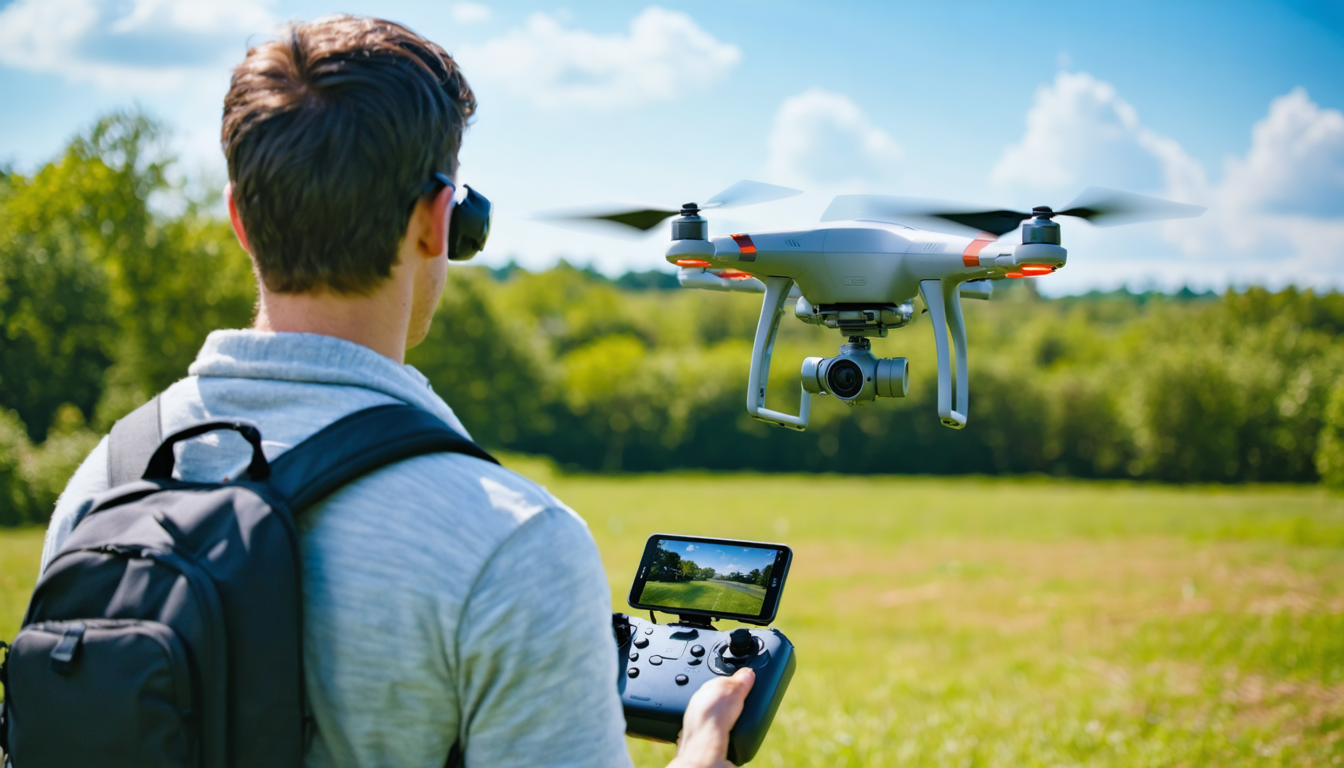
Once the basic controls are mastered, it is time to move on to practice with progressive exercises that allow applying the learned principles safely. Drone piloting requires a methodical, graduated approach, like learning to ride a bike or drive a car.
Hover flight or “hover” constitutes the first stage to master. This technique consists of keeping the drone still in the air, at a constant altitude, without drift or oscillation. This stationary point in flight is very instructive because it requires fine throttle management to avoid rising or falling, and controlling all other axes to stabilize the device against turbulence.
Next, you must progress to linear movements: forward, backward, sideways. During this phase, the pilot learns to simultaneously coordinate pitch and roll, while maintaining height with the throttle. At this stage, it is often recommended to make small movements over short distances to avoid panic.
After confirming stability and control of basic movements, coordinated turns become a good exercise to learn combining yaw with other commands. Performing a smooth turn is an excellent indicator of progress since it concerns both technical mastery and spatial awareness.
Here is a structured overview of recommended exercises by level:
| Exercise | Objective | Level |
|---|---|---|
| Takeoff and landing | Mastery of critical flight phases | Beginner |
| Hover flight | Drone stabilization at height | Beginner |
| Simple movements (forward, backward, lateral) | Coordination of pitch and roll | Beginner |
| Coordinated turns | Effective combination of roll and yaw | Intermediate |
| Object tracking | Precise trajectory maintenance | Advanced |
To support learning, it is recommended to use a virtual reality headset for full immersion or to practice FPV (First Person View), a flight technique where the pilot sees from the drone’s camera. This method, though reserved for more advanced pilots, develops attention, reflexes, and piloting mastery in a highly immersive environment.
Finally, remember that flight time is limited by battery capacity. In 2026, leisure drones generally offer between 20 and 30 minutes of autonomy, a key factor to consider when planning your training sessions and progressing effectively without rushing.
Practical guide on drone piloting regulations: legal obligations and mandatory registration
Beyond the pleasure of flying, the drone pilot is subject to strict regulations to guarantee public safety and privacy protection. Since 2023, Europe has harmonized its rules via EASA (European Union Aviation Safety Agency), making regulations clearer but more binding for users.
Drones are now classified according to their category based on weight:
| Drone class | Weight | Main requirements |
|---|---|---|
| C0 | Less than 250 grams | Optional registration, no mandatory training |
| C1 | Between 250 g and 900 g | Mandatory registration on the Alpha Tango portal, A1/A3 online training |
| C2 | Between 900 g and 4 kg | Registration, enhanced training, increased flight restrictions |
| C3-C4 | More than 4 kg up to 25 kg | Additional certifications, very limited flight zones |
A fundamental point for beginners: any drone exceeding 250 grams or equipped with a camera must be registered on the European portal Alpha Tango. This process generates a unique operator number, which must be physically affixed to the device, somewhat like a license plate. This allows authorities to trace and identify each drone in the airspace.
Besides registration, training is a mandatory step. It is mostly done online and covers basic notions such as air regulations, no-fly zones, privacy, and safety rules. This training is accessible, even essential, to ensure informed and law-abiding piloting.
Another essential rule: maximum flight altitudes must never exceed 120 meters. Flying over people, even at low altitude, is strictly forbidden outside authorized zones as it represents a significant risk.
Non-compliance with these rules can lead to very heavy penalties: several thousand euros in fines, even prison sentences for serious offenses. In 2026, the government has reinforced inspections to preserve air safety in the face of the proliferation of leisure drones.
Here is a list of regulatory points to always check before each flight:
- Mandatory registration for drones > 250 g
- Validated online training for the pilot
- Operator number displayed on the drone
- Respect for authorized geographic zones, consultable via Géoportail
- Prohibition on flying over crowds and private properties without permission
- Maximum altitude of 120 meters respected
Preparation before flight: essential safety checklist and maintenance for flawless piloting
Safety is at the heart of drone piloting, especially to start under the best possible conditions. Good technical preparation before each flight is essential, as it minimizes the risks of breakdowns, accidents, or technical incidents.
Start with a thorough visual inspection of the propeller blades. These fragile parts have a direct impact on flight stability: a damaged or poorly fixed propeller can cause the drone to vibrate and lead to altitude loss or unpredictable behavior.
Then, clean the flight sensors (optical, infrared, ultrasonic) that help with positioning and stability. Dust, fingerprints, or moisture can disrupt their function and make control more difficult, especially in hover flight.
Battery level verification is also imperative. Besides checking if the charge is sufficient, take a look at the overall battery condition, as over time and usage it can lose performance. Plan your flight according to this autonomy to avoid emergency landings or loss of connection.
Before taking off, consult an up-to-date map of authorized flight zones, notably via official applications or Géoportail. Flying in a restricted zone can quickly become a legal or safety issue, especially near airports or sensitive sites.
Here is a concise checklist recommended before each takeoff:
- Physical inspection of propellers (no cracks, secure fixation)
- Cleaning sensors and camera lens
- Check battery charge and health
- Activate assisted flight modes if available
- Consult authorized flight zones
- GPS setting and gyroscope calibration
- Pre-flight power-on test and command response
These checks may seem tedious but quickly become a natural routine for any serious pilot. For example, this habit helps avoid 90% of breakdowns related to technical defects or negligence.
Tips for effective training: simulators, clubs, and adapted methods to progress in drone piloting
Regular practice is the key to becoming a competent and confident drone pilot. Several paths are available to beginners to train effectively without only risking their equipment right from the first flights.
The use of a flight simulator appears as the ideal tool. These software faithfully reproduce the behavior of a drone in flight and simulate different environments and weather conditions. Some recent models even combine with virtual reality to fully immerse the pilot. This virtual training is particularly beneficial to perfect control axis management, turn precision, and avoidance maneuvers.
Beyond the virtual, aeromodelling clubs offer a secure and collaborative learning environment. These organizations welcome enthusiasts and novices, provide loan equipment, and often offer supervised courses. Real-time feedback, the ability to ask questions, and collective encouragement facilitate rapid progress.
There are also specialized training centers, combining regulatory theory and practice. These sessions, although sometimes paid, prove very effective to reach an advanced level in a short time.
To optimize your training, here are some practical tips:
- Vary flight environments to gain adaptability
- Keep a journal of your sessions to track progress and identify improvement areas
- Watch video tutorials to learn new techniques
- Practice flight in short but regular intervals to avoid fatigue and stay focused
- Participate in local challenges or competitions to boost motivation
Advanced techniques: immersive piloting (FPV) and aerial shoots to enrich your experience
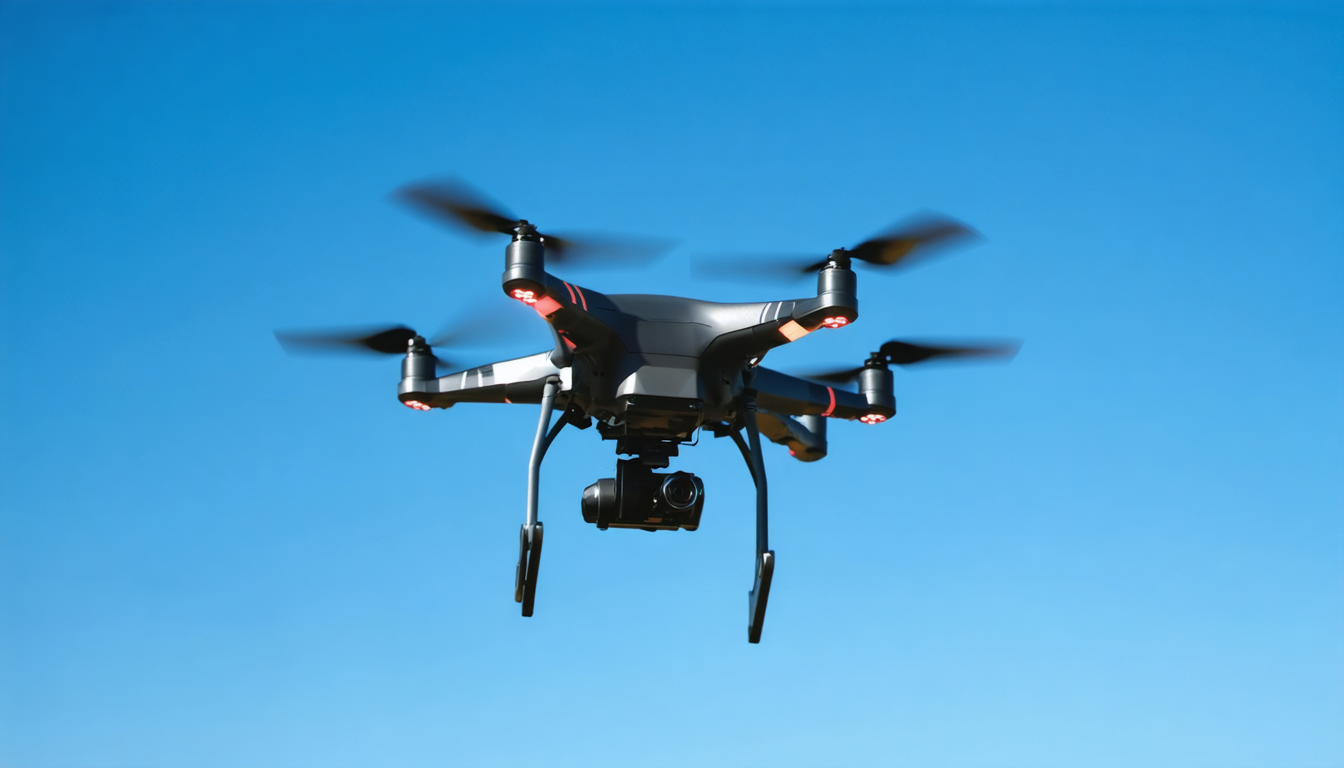
After acquiring the solid basics of classic piloting, many wish to enrich their practice with advanced techniques. Immersive piloting, or FPV, is one of the most exciting. Thanks to a headset connected to the front camera of the drone, you see the landscape in real time as if you were onboard. This experience offers an exceptional immersion feeling and increased precision during complex maneuvers.
Mastering FPV requires perfect coordination and sharp reflexes. This mode can be intimidating for a beginner but, with progressive training, it dramatically transforms the enjoyment and efficiency of piloting. It is often also the required step to participate in drone racing or film dynamic sequences in urban or natural environments.
Moreover, drone piloting is very often linked to aerial photography and videography. Using a drone equipped with a camera opens up a creative world where it is possible to capture unique images and perspectives impossible to get otherwise. Tips for successful shots include:
- Plan the photo session according to natural light, favor the golden hour (sunrise or sunset)
- Use slow and steady movements for smooth videos
- Practice manual camera settings to optimize exposure
- Take weather into account and avoid strong winds to stabilize the image
- Respect specific regulations concerning image capture, especially in urban areas
Safety and environmental respect: piloting a responsible and nature-connected drone
Piloting a drone is not limited to mastering the controls and legal compliance: it is also an ethical commitment to the safety of others and the environment around us. In 2026, the pilot community is increasingly aware of the potential impacts of flights, whether on wildlife, privacy, or social harmony in public spaces.
Every flight carries risks, both for people and nature. For instance, some birds can be disturbed by the presence of a drone, especially during nesting periods. Protected areas or nature reserves must therefore be strictly avoided. Respecting regulatory distances and never flying over crowds or private property without authorization is a fundamental principle.
Safety also involves good anticipation of flight conditions. Flying in strong wind or rain is not only risky for your drone, which can lose stability, but can also cause dangerous crashes. Checking the weather before each session should therefore be integrated into your routine.
Finally, responsible management of your equipment, especially recycling used batteries or respectful maintenance, contributes to limiting the ecological footprint of your activity. Manufacturers strive to improve drone durability and now offer more eco-designed models suitable for sustainable practice.
To summarize, here are good safety and eco-responsibility practices to adopt:
- Respect forbidden zones and safety distances.
- Prefer open and clear spaces.
- Avoid flights near wildlife and sensitive natural areas.
- Strict respect for others’ privacy.
- Weather check before each flight.
- Regular maintenance and sorting of used equipment.
Common beginner mistakes in drone piloting and how to avoid them
Starting drone piloting can quickly lead to classic mistakes, often related to lack of experience or ignorance of good practices. Identifying and understanding these pitfalls will help novices avoid costly disappointments both materially and regulatorily.
Eager to discover the sensations of flight, many beginners make the mistake of flying in confined spaces, sometimes even indoors, where collision risks multiply. Piloting always requires sufficient and clear space to learn to control the device without stress.
Another recurring fault is neglecting technical preparation before flight. For example, taking off without checking propeller condition or battery level can quickly turn into a fiasco. Some beginners also forget to register their drone or validate mandatory training, exposing themselves to serious penalties.
Excessive optimism also sometimes leads to underestimating weather conditions. Flying with strong winds or in stormy weather is a bad decision that can damage the drone or cause a crash. Patience and caution remain major virtues in this hobby.
Here is a list of mistakes to absolutely avoid:
- Flying in forbidden or too confined areas
- Ignoring technical checks before each flight
- Not respecting registration and training regulations
- Failing to consult weather before flight
- Taking unnecessary risks attempting maneuvers without mastery
- Starting without simulator or prior training
By integrating these recommendations, every budding pilot gains confidence and serenity. Progress becomes natural and the passion for piloting flourishes fully without unpleasant surprises.