

The famous post-apocalyptic world of Fallout is set to hit gaming tables starting January 2026, with the launch of “Fallout: Power Play.” This new gaming experience offered by Bethesda and Modiphius reinvents the franchise by proposing a fast and accessible card game, at an attractive price of $30. At first glance, this initiative seems promising: it offers a simple entry point for newcomers while maintaining an appealing strategic touch. Yet, this announcement is already stirring heated debate within the fan community. Some see it as a breath of fresh air, an innovation that cleverly expands the Fallout ecosystem. Others fear an unprecedented effect: a game designed to capitalize on nostalgia but at the expense of the narrative depth and immersion that have made the saga renowned. So, is “Fallout: Power Play” a true strategic success or a clever marketing trap to monetize the license differently?
At the start of 2026, Bethesda is clearly betting on diversifying the Fallout universe, embodied by this competitive card game aimed at both enthusiasts and casual players. While Fallout 5 remains eagerly awaited, “Power Play” is intended as a playful bridge to fill the wait. The game invites 2 to 4 players to embody different factions clashing for control of the Wasteland, using political cunning, temporary alliances, and strategic quests. With an affordable pricing model, few entry barriers, and a fast mechanic, this release generates as much enthusiasm as skepticism. So what can we concretely expect from this new title? How does it fit into the Fallout ecosystem? And above all, what are the stakes behind this bold choice by Bethesda and Modiphius?
- 1 A new gaming breath for Fallout: detailed presentation of “Power Play”
- 2 A strategic pricing positioning: far from big budgets, but what real value?
- 3 A mixed reception: enthusiastic fans, skeptical purists, and harsh critics
- 4 Accessible gameplay but tactically rich: key mechanics decoded
- 5 A bold innovation in the Fallout ecosystem: renewing while respecting the legacy
- 6 The marketing stakes behind Fallout: Power Play: bet on nostalgia or genuine global strategy?
- 7 Is the future of Fallout in video games threatened or strengthened by this spin-off?
A new gaming breath for Fallout: detailed presentation of “Power Play”
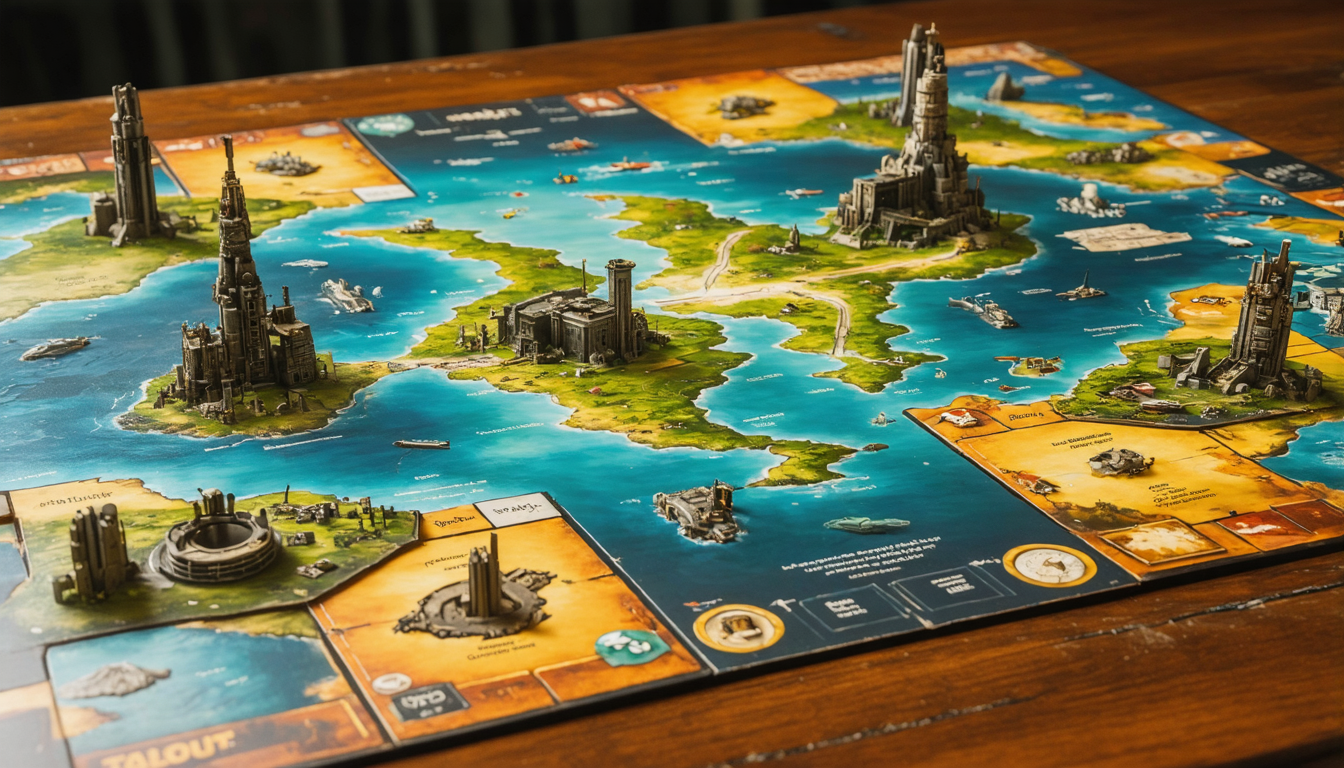
“Fallout: Power Play” marks a major diversification in how the Fallout franchise intends to engage its fans. Unlike the massive and dense video games players are used to, this card game takes a minimalist yet strategic approach. Designed for 2 to 4 players, it allows each participant to embody an iconic Wasteland faction, with a personalized card deck reflecting a unique playstyle. The mechanics rely on forming alliances, completing quests, assassinating opposing agents, and a multitude of sly tactics to dominate this post-apocalyptic universe.
The game design favors speed and accessibility without sacrificing depth. Learning the game is quick, but mastering it requires real strategic thinking. This duality aims to captivate both novice players eager to discover the Fallout universe without committing to a lengthy RPG, and veterans seeking a competitive tabletop challenge. The organization of card decks into distinct factions also strengthens the roleplaying aspect and thematic immersion. In short, “Power Play” offers a new experience where politicking, diplomacy, and betrayal intertwine in a ruthless power struggle.
Publisher Modiphius emphasizes the “hybrid game” aspect, combining positive strategy and poker-like bluffing sensations, where every action can shift the balance of power. The Wasteland becomes a shifting battlefield, where nothing is ever certain, making each game unique and unpredictable. The apparent simplicity hides subtleties allowing both tactical victories and spectacular turnarounds. This brings “Power Play” close to a form of “mental sport” within the Fallout universe.
A strategic pricing positioning: far from big budgets, but what real value?
With a recommended retail price set at around 30 dollars, “Fallout: Power Play” fits into a deliberately accessible pricing strategy. This shocking choice strongly contrasts with the colossal budgets usually allocated to AAA Fallout video games, often sold at a much higher price. This price democratization clearly aims to attract a wide audience, whether casual gamers or collectors looking for a quick experience with a cult license.
However, this economic positioning raises legitimate questions about the richness and longevity of the proposed content. How can the lifespan of a $30 card game be ensured? The risk is seeing a product that is too simplified or with low replayability, which would not satisfy the expectations of demanding fans accustomed to extremely detailed universes. Yet, Bethesda and Modiphius promise a demanding tactical experience and competitive depth that must precisely break away from the cliché of a “quick and superficial game.”
Moreover, this modest price lowers the entry barrier in a board game market already fierce in 2026, with many ambitious releases from specialized studios. The marketing bet is to attract a coherent mix between Fallout enthusiasts eager to experiment with something else and curious players tempted by a card game with dynamic mechanics. This raises questions about the qualitative perception of the product, whether constrained or enriched by this pricing strategy.
| Criteria | Fallout AAA video games | Fallout: Power Play (card game) |
|---|---|---|
| Approximate price | $60-70 | $30 |
| Game length | 20-80 hours (single-player campaign) | 30-60 minutes per game |
| Target audience | Hardcore RPG fans | Fans and casual players |
| Complexity | High | Medium to high |
| Main mechanics | Exploration, combat, crafting | Strategy, diplomacy, bluff |
A mixed reception: enthusiastic fans, skeptical purists, and harsh critics
Since the official announcement, the Fallout fan reaction has been more than mixed. On the one hand, a large portion of the community welcomes “Power Play” as a breath of fresh air. The concept of a simple-to-learn but strategic game anchored in a familiar universe appeals to those who were waiting for a playful bridge while awaiting Fallout 5. Many players praise the possibility to face off face-to-face around a table, in a fast and accessible competitive format.
Conversely, another part of the hardcore fans expresses marked skepticism, even a form of disappointment. For these purists, this “spin-off” strays too far from the RPG roots emblematic of the license. They point to the loss of immersive storytelling and narrative depth that made the previous titles successful. Some denounce it as a mere marketing product, perceived as intended to monetize fan nostalgia without real novelty.
Furthermore, a more vocal critical fringe warns of the risks of Bethesda prioritizing low-cost spin-off products at the expense of a true Fallout 5 worthy of the name. This debate fueled by forums and social networks illustrates a tension between commercial innovation and preservation of the soul of the video game. The marketing surrounding “Power Play” is thus scrutinized, some seeing it as a calculated maneuver to capture attention and maximize profits, while others perceive a sincere and thoughtful project.
Accessible gameplay but tactically rich: key mechanics decoded
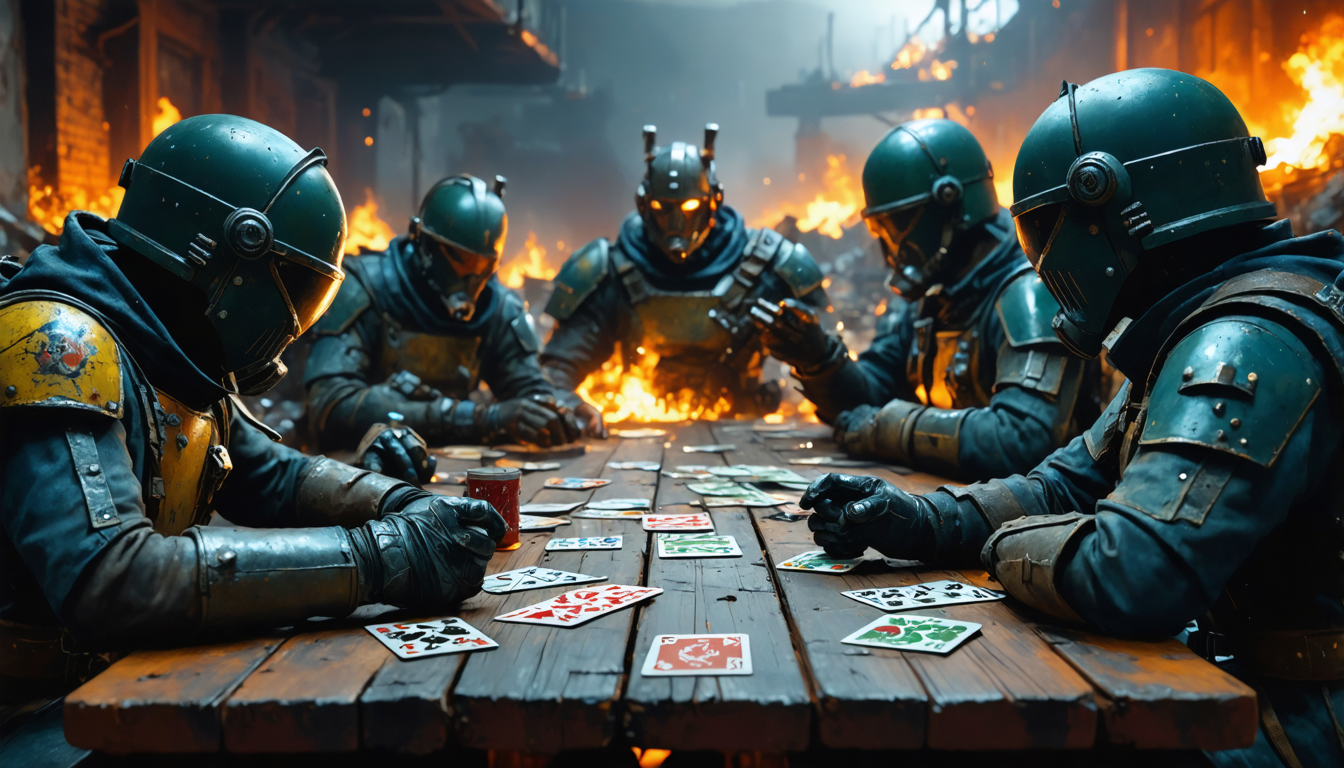
The game system “Fallout: Power Play” relies on a subtle balance between accessibility and tactical depth. Each player starts with a deck specific to a faction – Brotherhood of Steel, Raiders, Enclave, and other iconic groups – each with its own strengths, weaknesses, and synergies. This faction choice directly influences the strategies adopted during the game.
Players must build their influence by forging temporary alliances, completing ever-renewing quests, or carrying out sneaky actions like eliminating opposing agents. Bluffing and manipulation play a crucial role, with every decision able to influence the power balance. Unlike a purely luck-based game, reflection is encouraged and rewarded, making the experience stimulating even after several games.
One of the strengths is the modularity of cards and objectives, which allows the experience to be renewed continuously. This dynamic prevents players from being locked into a single strategy. Thus, two successive games can offer very different contexts and results, enhancing replayability. Direct player interaction also strengthens immersion in the competition to dominate the Wasteland.
- Diversity of playable factions with distinct profiles
- Intense political interaction between players
- Resource management and limited actions per turn
- Variable quests and objectives ensuring dynamic gameplay
- Balance between moderate chance and pure tactic
A bold innovation in the Fallout ecosystem: renewing while respecting the legacy
In a universe as vast and renowned as Fallout, innovating without betraying the original spirit is a constant challenge. “Fallout: Power Play” illustrates an innovative approach: expanding the field of possibilities by making the license accessible to a different audience, without denying its roots. This expansion toward card games reflects a desire to diversify the gaming experience offered by Bethesda and Modiphius.
This innovation manifests itself through an adaptation of Fallout lore, transformed into simple but effective gaming mechanics suited for quick tabletop play. The atmosphere of the Wasteland is transposed through the cards, with references and familiar elements that will resonate with fans, while serving a framework specific to modern card games.
This strategy fits into the broader trend of franchises creating multi-platform ecosystems, blending video games, board games, and other interactive experiences. It can thus strengthen the Fallout community by maintaining player interest and loyalty during long periods between major releases. Beyond mere commercialization, it is also a way to nurture the emotional and playful bond with the universe.
The marketing stakes behind Fallout: Power Play: bet on nostalgia or genuine global strategy?
The launch of “Fallout: Power Play” reveals an ambitious marketing strategy blending innovation and intelligent exploitation of an already well-established license. By offering a product at a moderate price, Bethesda ensures reaching a broad audience, including long-time fans, casual players, and even novices curious to discover Fallout through a more accessible format.
Highlighting a competitive tabletop game creates a social space that contrasts with the classic video experience. This dynamic promotes word-of-mouth, physical meetings, and local communities, elements difficult to generate through video games alone. The marketing also capitalizes on Fallout’s notoriety to establish the game’s credibility, aided by Modiphius, known for its expertise in tactical board games.
However, this bet carries risks. The attractive price combined with intensive communication could generate expectations that are hard to meet, or even a feeling of a product that is too basic. The potential controversy around the “spin-off” aspect reflects the fans’ sensitivity to everything related to the license. For “Power Play” to be successful, Bethesda must not only preserve quality but also continue evolving by considering feedback, proof of a flexible and responsible marketing strategy.
Is the future of Fallout in video games threatened or strengthened by this spin-off?
“Fallout: Power Play” is positioned as a spin-off product, but its potential impact on the Fallout universe and fan expectations is far from negligible. It offers a breath of fresh air by proposing a new way to immerse in the Wasteland, outside the constraints and complexities of a classic RPG. However, it raises debate about the place of derivative games and their influence on the overall perception of such an emblematic franchise.
If Bethesda manages to integrate this card game into a coherent ecosystem, with regular updates, clear communication, and strong narrative links to future video titles, “Power Play” could strengthen loyalty and broaden the fan base. Conversely, if this novelty remains isolated, poorly supported, or if its success eclipses flagship projects, it risks creating a fracture within the community.
The choice to launch this spin-off in 2026 also demonstrates Bethesda’s desire not to rely solely on a hypothetical Fallout 5 to maintain the license’s appeal. By offering an innovative, low-cost product, the company explores new forms of experience and marketing while preparing the ground for more major innovations to come.