
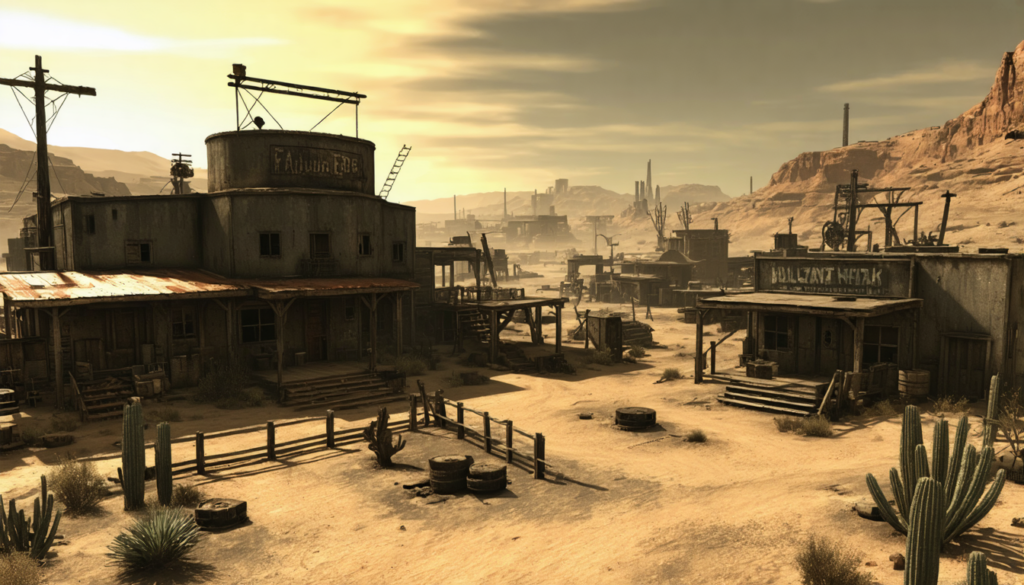
Since the recent adaptation of the Fallout saga into a TV series on Amazon Prime Video, enthusiasm for this post-apocalyptic universe has continued to grow. Whether you are a longtime player or a newcomer attracted by the unique retro-futuristic aesthetic of this franchise, it is natural to wonder which title to explore first in this vast world of desolation and survival. With episodes varying widely in styles and gameplay mechanics, each Fallout adventure offers a distinct experience, tinted with tragedy, dark humor, and exciting quests. This ultimate guide helps you discover the different installments of the saga by revealing their respective strengths, their innovations, and the reasons why some titles are still essential today to dive into the exploration of an open world as rich as it is complex.
Base building, faction management, the way moral choices impact the course of the game, and the struggle against mutants and other terrifying creatures are all crucial elements that define each title. Fallout is not just a simple video game; it is an immersion into a world where the post-nuclear era tears society apart and where survival is written with weapons, but also with tactical decisions. This detailed dossier will enlighten you on the technical, narrative, and emotional aspects to guide you toward the Fallout that best matches your thirst for adventure in a fascinating post-apocalyptic universe.
- 1 The fundamentals of the Fallout universe: when the 1950s meet dystopia
- 2 Fallout 3: an emotional dive into the Capital Wasteland
- 3 Fallout New Vegas: the complexity of factions in a desert setting
- 4 Fallout 4: modernity and world-building amid desolation
- 5 Fallout 76: conquering the wastelands in multiplayer mode
- 6 The major factions of Fallout: between ideologies and conflicts
- 7 Recommended hardware for an optimal Fallout experience in 2026
- 8 Exploring Fallout and beyond: post-apocalyptic universes not to miss
The fundamentals of the Fallout universe: when the 1950s meet dystopia
The Fallout universe draws its uniqueness from a retro-futuristic aesthetic that combines the kitsch charm of the 1950s with a dark future ravaged by nuclear war. This original fusion creates a unique setting in the world of video games, where ruined buildings stand alongside jukeboxes and cars from another time, but also where mutant monsters and disillusioned survivors emerge. It is precisely this blend of nostalgia and horror that gives each episode such a particular and immersive atmosphere.
The gameplay is based on a robust role-playing system, where players must juggle between developing their character’s skills, managing relationships with various factions, and the weight of their moral choices. These decisions deeply influence the story, offering very high replayability. The V.A.T.S. (Vault-Tec Assisted Targeting System) combat system, emblematic of the franchise, allows precise targeting of different parts of enemies’ bodies, adding a welcome strategic layer to the action.
Another characteristic element is the soundtrack. The music swings between popular songs from the 1950s and original compositions, enhancing immersion in this universe. Whether it’s the ruthless radroaches or mysterious underground shelters, each environment is designed to tell its own story. To fully enjoy this open world, suitable hardware configuration is recommended, especially for the most recent and modded episodes. The most demanding gamers turn to powerful PCs or workstations, which ensure smoothness and support enhanced graphics.
Fallout 3: an emotional dive into the Capital Wasteland
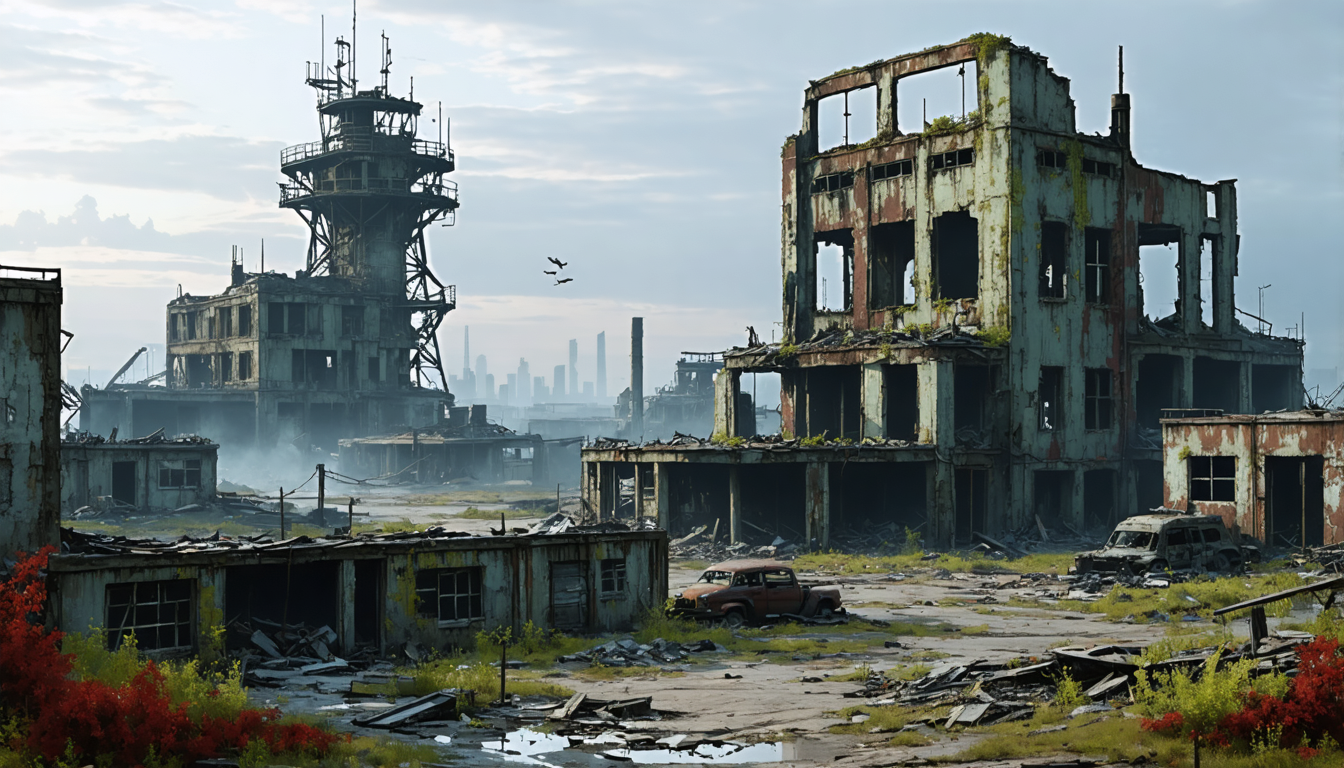
Released in 2008, Fallout 3 left such an impression that it is often seen as the installment that intelligently modernized the franchise. By abandoning the isometric view of the first games, Bethesda offered a first-person 3D experience, plunging players into the devastation of Washington D.C., called the Capital Wasteland. The strength of this title, beyond its immense open world, lies in the poignant atmosphere accompanying the discovery of ruins and the emotional quest that drives the player to leave Vault 101 for a broken world.
With a linear main story, Fallout 3 emphasizes narration and interactions with fascinating but dangerous mutant fauna and flora. The binary karma system and side quests reinforce the feeling that every decision has a moral impact. This game is for those seeking an immersive experience, rich in emotion and exploration.
In terms of accessibility, Fallout 3 adapts rather well to older configurations, although graphic mods require somewhat more powerful hardware today. The joy of exploring the ruins of Washington D.C. remains intact, and the clever mix of 1950s nostalgia and the brutal realities of the post-nuclear world continues to captivate new players as much as veterans.
Comparative Table Fallout 3 vs Fallout New Vegas
| Criteria | Fallout 3 | Fallout New Vegas |
|---|---|---|
| Developer | Bethesda | Obsidian Entertainment |
| Release Year | 2008 | 2010 |
| Location | Washington D.C. (Capital Wasteland) | Mojave Desert and Las Vegas |
| Narrative Style | Linear story with strong emotional charge | Complex plot with multiple choices and factions |
| Gameplay System | Binary karma (good/evil) | Reputation system by faction |
| Main DLCs | Mothership Zeta and 4 others | 4 DLCs forming a coherent narrative arc |
Fallout New Vegas: the complexity of factions in a desert setting
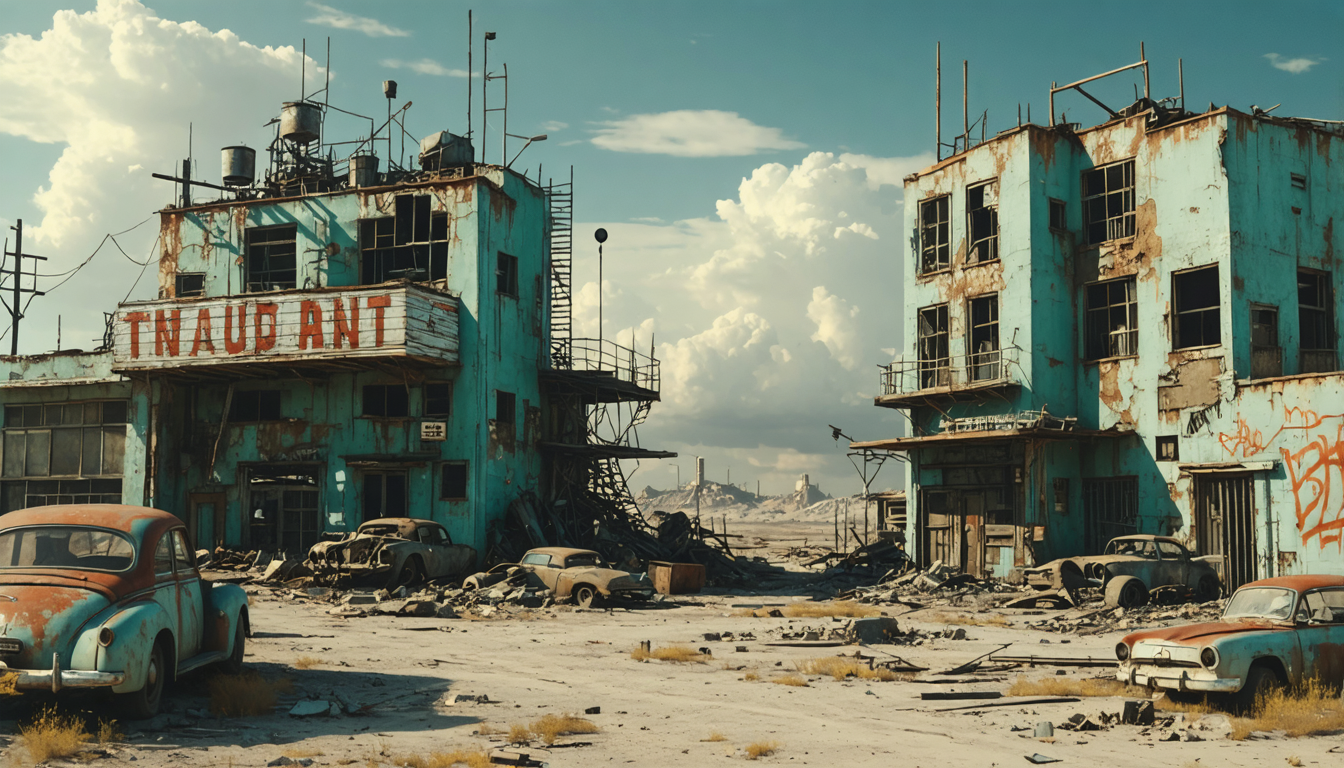
Fallout New Vegas is often praised for its particularly developed faction system. Here, the playground is an arid desert that barely supports the city of Las Vegas, nicknamed “New Vegas.” Developed by Obsidian Entertainment, this title has won over players with its more rigorous RPG approach. Managing different factions, including Caesar’s Legion and the New California Republic (NCR), offers a wealth of strategic choices to players.
This title shines thanks to the extraordinary freedom it offers: players can influence the main storyline in many ways and reach radically different endings depending on their alliances. Each side quest is often a moral puzzle with lasting consequences. If you want to explore a Fallout where diplomacy and post-apocalyptic politics take center stage, New Vegas is a must.
Despite its age, this game continues to benefit from an active modding scene, with graphic mods that completely revitalize its desert universe and its characters. For players equipped with modern machines, the experience is even more striking. New Vegas remains an essential pillar for understanding the narrative and gameplay richness of the Fallout universe.
Fallout 4: modernity and world-building amid desolation
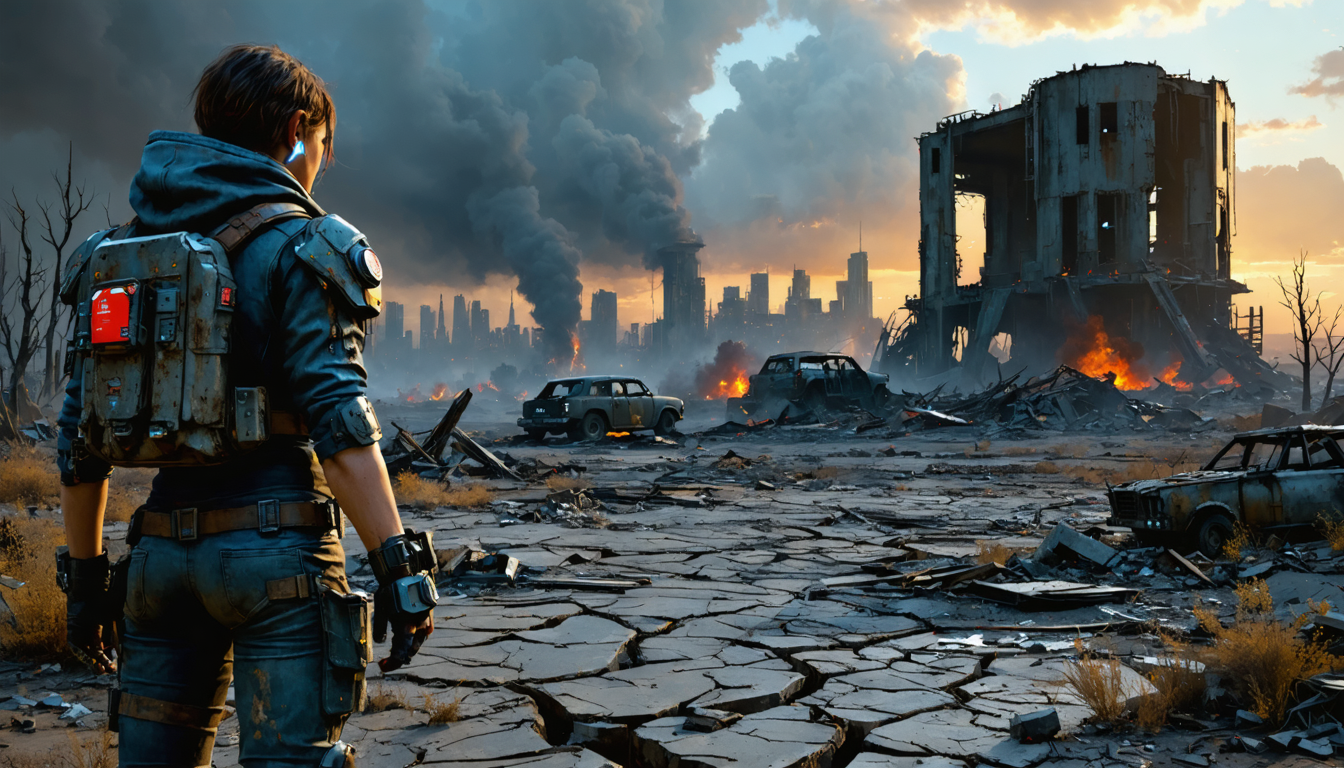
With the release of Fallout 4 in 2015, Bethesda gave the franchise a fresh boost. The game notably introduces a complete system for building bases and settlements, whose interest goes far beyond simple aesthetics. Players can now build secure refuges in the Commonwealth, which increases the “sandbox” dimension of the gameplay. This novelty allows deeper investment in the post-apocalyptic world by creating zones of one’s own, perfectly bounded amid the surrounding chaos.
Fallout 4 also stages a troubling personal quest: the search for your missing son. This story adds strong emotion while leaving room for exploration of a vast and detailed universe. The game is also notable for its significantly improved graphics, thanks to a more recent graphics engine than its predecessors.
In 2026, Fallout 4 continues to require powerful hardware, especially if you want to fully enjoy the vast and detailed environments or install mods enhancing the experience. This title attracts players seeking to combine narrative adventure and creativity in an open post-apocalyptic world, where each settlement built becomes a mini-symbol of hope in a torn world.
Fallout 76: conquering the wastelands in multiplayer mode
Fallout 76, launched in 2018, marked a break by offering an online multiplayer experience. After a difficult launch, the game has gradually improved thanks to a stream of updates and community events. In 2026, it offers a collaborative adventure that reinvents exploration and survival in a post-apocalyptic universe.
The unique dynamic born from teamwork to fight terrifying creatures like the Scorchbeasts, while building outposts and developing resources, is particularly appreciated. Cooperation becomes essential to thrive in this open and hostile world.
However, the game retains close ties with the classic saga, notably in quest management and the presence of factions, even though they are more decentralized. The community dimension adds a new layer where survival and diplomacy sometimes go hand in hand, or even blend with conflicts between player groups.
The major factions of Fallout: between ideologies and conflicts
Factions are pillars of the Fallout universe and bring undeniable political and narrative depth to the games. Each group embodies a different vision of survival and the reconstruction of the post-apocalyptic world:
- The Brotherhood of Steel: a quasi-military organization that defends technology and imposes a rigid order.
- The Institute: in Fallout 4, this mysterious faction develops synths, androids almost indistinguishable from humans.
- Caesar’s Legion: present in New Vegas, it draws inspiration from the Roman Empire to impose its authority by force.
- The New California Republic (NCR): an attempt at democratic restoration in a chaotic world.
- The Raiders: violent and anarchic groups, often sworn enemies of more peaceful survivors.
Each faction strongly influences gameplay, alliances, and the course of quests. Choosing a faction can radically change the player experience, pushing them to adopt specific strategies and to consider survival from different angles. It is one of the deep drivers that make the saga exceptional.
Recommended hardware for an optimal Fallout experience in 2026
To fully enjoy the various experiences offered by the Fallout games, it is essential to have suitable hardware. Titles like Fallout 4 and Fallout 76, with their vast and detailed environments, require high computing power, especially if you like to use graphic mods or expansions.
Here are the recommendations for an ideal setup:
- Processor: a recent multi-core CPU, capable of handling complex calculations and enemy AI.
- Graphics Card: a latest-generation GPU to display textures and visual effects in high definition.
- RAM: at least 16 GB of RAM to ensure optimal smoothness in Fallout’s vast open worlds.
- Storage: a fast SSD to reduce loading times, highly appreciated in open-world games.
- Mobile Workstation: a powerful alternative for those who want to enjoy Fallout on the go without compromising on power.
Workstations are no longer reserved for professionals. Today, they offer gamers a smooth and immersive experience, without compromising portability. Modders also appreciate this extra power to create ever richer and more detailed universes within the Fallout community.
Exploring Fallout and beyond: post-apocalyptic universes not to miss
If Fallout defines the post-apocalyptic genre in video games, other titles deserve a place in your library to enrich this experience. These games share certain aspects such as exploring devastated environments, surviving hostile worlds, and evoking an uncertain future:
- The Outer Worlds: a space RPG with dark humor influenced by Fallout.
- Metro Exodus: an underground adventure in a radioactive world.
- Dying Light 2: combining zombies and parkour in a post-apocalyptic city.
- Wasteland 3: one of the pioneers of post-apo RPGs, inspiring Fallout itself.
- Mad Max: with its “joyful chaos” style and dynamic desert combat.
These experiences complement the idea of a devastated universe where each quest becomes a challenge and an opportunity to affirm one’s own vision of survival. Waiting for the next installments of the flagship franchises or the second season of the Fallout series on Amazon Prime might also be the ideal moment to vary your pleasures in this very particular genre.