
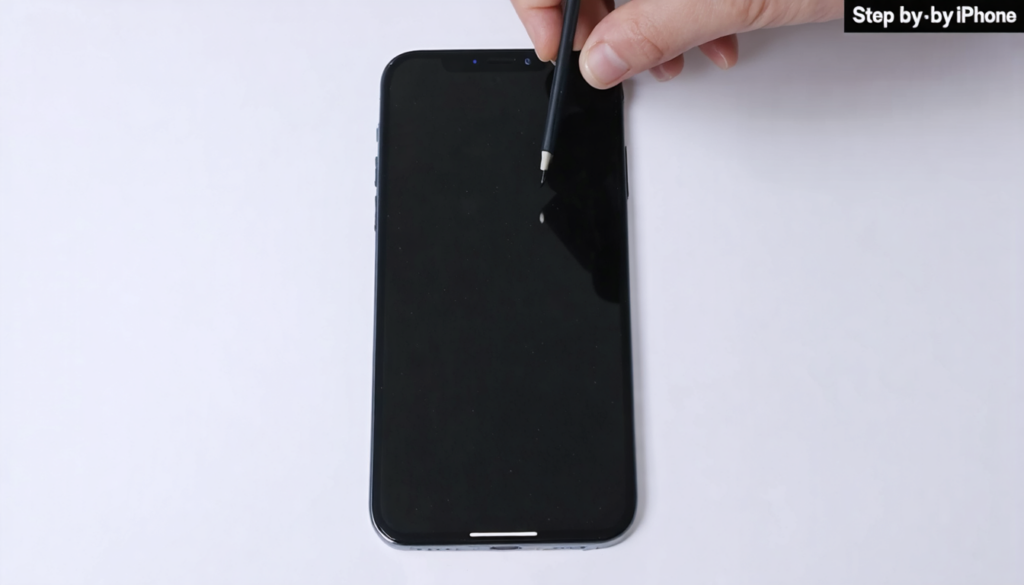
The mishap is common: an unexpected fall, the iPhone 12 hitting the ground, and suddenly the screen cracks or simply becomes unusable. Faced with this situation, users eager to restore their iPhone 12 have two main choices: opt for an original Apple screen or turn to a compatible part. This dilemma goes beyond mere financial aspects and touches on display quality, touch responsiveness, compatibility with sensors, not to mention the durability of the repair. In 2026, technological advancements and the variety of market offers make this choice even more crucial for a successful repair. What is the real value of an original screen compared to a compatible screen, and what criteria should guide this decision? This comprehensive report breaks down all the issues, piece by piece, to support you in the optimal restoration of your iPhone 12.
Replacing an iPhone screen requires a fine understanding of many factors: the technical specificity of the iPhone 12 with its OLED screen, its Face ID facial recognition system, as well as image quality requirements that make all the difference in the user experience. While the price of high-end smartphones continues to rise, smart repair has become an approach that is both economical and ecological, also praised for the satisfaction it provides at each reboot. However, the temptation of the easy choice with a low-cost compatible screen can sometimes prove disappointing without proper preparation and rigorous selection of parts. It is this detailed and nuanced analysis that we offer you, including practical advice, case studies, and concrete examples to help you make an informed choice between original iPhone screen and compatible iPhone screen in your iPhone 12 screen repair project.
- 1 Understanding the importance of choosing a suitable screen to restore an iPhone 12
- 2 Original iPhone screen: premium quality and optimal user experience
- 3 Compatible iPhone screen: a cost-effective alternative but to be chosen with caution
- 4 How to identify the correct screen reference for a successful iPhone 12 repair
- 5 Key steps to successfully repair the iPhone 12 screen without compromising quality
- 6 Repairing your iPhone 12: an economical and ecological choice in 2026
- 7 Determining criteria to guarantee durability after an iPhone 12 screen repair
- 8 Tips for a successful iPhone 12 screen repair: practical smartphone repair guide
Understanding the importance of choosing a suitable screen to restore an iPhone 12
The iPhone 12 screen is much more than a simple glass panel. It is a complex component combining advanced OLED technology with a multitude of essential sensors for the smooth operation of the smartphone. Restoring an iPhone 12 with the right screen starts by precisely identifying the reference and the expected technical specifications, otherwise the repair can prove problematic.
The first aspect is resolution and display technology. The iPhone 12 uses an OLED screen, allowing high contrast, deep blacks, and remarkable brightness. Choosing a screen that does not meet these criteria, notably a classic LCD screen, can result in significantly lower image quality, which is immediately noticeable during use, especially in bright light conditions.
Then, compatibility with integrated sensors is paramount. The Face ID system relies on several components housed under the screen, detecting the smallest details of your face for secure unlocking. An unsuitable screen risks disrupting this functionality, which can make the phone less secure and less convenient in daily use. Some low-end compatible screens do not respect this integration, causing facial recognition issues.
Another often overlooked detail: touch responsiveness and the fluidity of interaction with the screen. An imprecise or slow touch can completely inhibit your experience, especially if you use your iPhone for demanding activities like mobile gaming or accelerated content editing. In sum, effectively restoring iPhone 12 starts with a rigorous technical choice. Choosing the wrong screen exposes you to a cycle of dissatisfaction and possible new repairs.
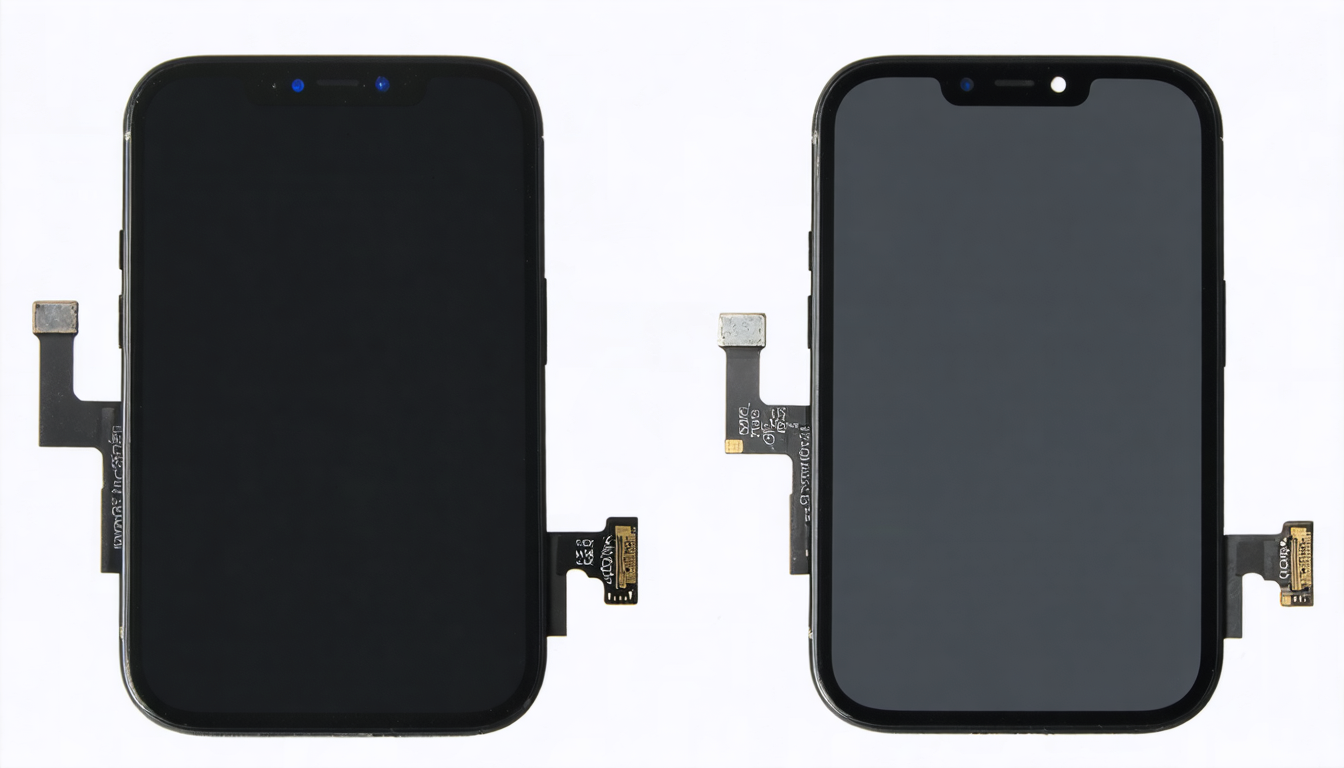
Original Apple screens or equivalent OEM represent the reference in terms of display quality and technical compatibility. Manufactured according to Apple’s strict standards, these screens guarantee faithful color reproduction, maximum brightness, and perfect integration with all iPhone 12 sensors.
An original iPhone screen thus offers perfect contrast, vivid and faithful colors, as well as sufficient brightness for optimal visibility even under strong external lighting. All of this contributes to total immersion in your apps, whether video watching, photography, or video games.
On the touch side, the precision is remarkable. Sensitivity and response speed are intact. This fluidity can make the difference in many uses, especially for users performing complex gestures or multiple fingers simultaneously. Moreover, the screen also perfectly protects the integrity of Face ID sensors, avoiding any facial recognition issues after replacement.
Beyond image quality and user experience, durability also ranks among the strengths of original screens. They undergo rigorous quality controls and custom manufacturing. They often come with a manufacturer or authorized repair center warranty, reassuring regarding their longevity.
A concrete example: during a repair at an authorized center in 2025, a customer chose an original screen for her dropped iPhone 12. She noted an immediate difference with the old screen: richer colors, increased responsiveness and above all no Face ID problem after a week of intensive use. This feedback often highlights the cost of this option, generally higher, but justified by lasting satisfaction.
In summary, the original iPhone screen is the ideal solution for those who want to make no compromise. The iPhone screen quality is present, as well as the guarantee of a successful repair, ensuring prolonged and trouble-free use of the device.
Compatible iPhone screen: a cost-effective alternative but to be chosen with caution
Given the often high cost of original screens, compatible screens represent an attractive alternative. In 2026, their quality has considerably evolved, and some models offer a respectable result, meeting the needs of many users mindful of preserving their budget while extending the life of their iPhone 12.
Compatible screens are manufactured by third parties, often in China, with variable production standards. The financial gains are clear, but choice is essential to avoid a bad surprise. The main risk would notably be insufficient brightness, faded color rendering, or diminished touch responsiveness.
However, not all compatible screens present these defects. Several reputable manufacturers today offer parts meeting certain specifications close to the original. It is like choosing an official controller versus a third-party one — some alternatives are excellent, others fall far short of expectations.
A fundamental point is Face ID compatibility. Contrary to what one might think, a majority of compatible screens do not guarantee this function, which may result in the blocking of facial recognition functionality after repair. This risk must be seriously considered, especially for those who prioritize biometric security.
Here is an essential checklist to verify before purchasing a compatible iPhone screen:
- Exact compatibility with the iPhone 12 model (not Mini nor Pro)
- Confirmed OLED technology to preserve display quality
- Good brightness and sufficient contrast for comfortable daily use
- Fluid touch responsiveness with no perceptible latency
- Possibility to maintain Face ID functionality (rare but possible)
- Manufacturing quality and finishing to avoid short-term problems
A table allows a direct comparison of the main characteristics of original versus compatible screens.
| Criteria | Original iPhone 12 Screen | Compatible iPhone 12 Screen |
|---|---|---|
| Display technology | High-quality OLED | OLED or sometimes low-end LCD |
| Color accuracy | Very faithful and vivid | Variable, may appear faded |
| Brightness | High, adapted to all conditions | Lower, sometimes insufficient |
| Touch responsiveness | Impeccable, smooth | Sometimes slow or irregular |
| Face ID compatibility | Fully guaranteed | Rarely compatible |
| Durability | Long-lasting assured | Variable depending on manufacturer |
| Price | High | Affordable |
The choice between a compatible iPhone screen and an original iPhone screen must integrate this data. For professional, intensive, or sensitive use, the original remains the best option. For classic or temporary use, good compatibility may suffice.
How to identify the correct screen reference for a successful iPhone 12 repair
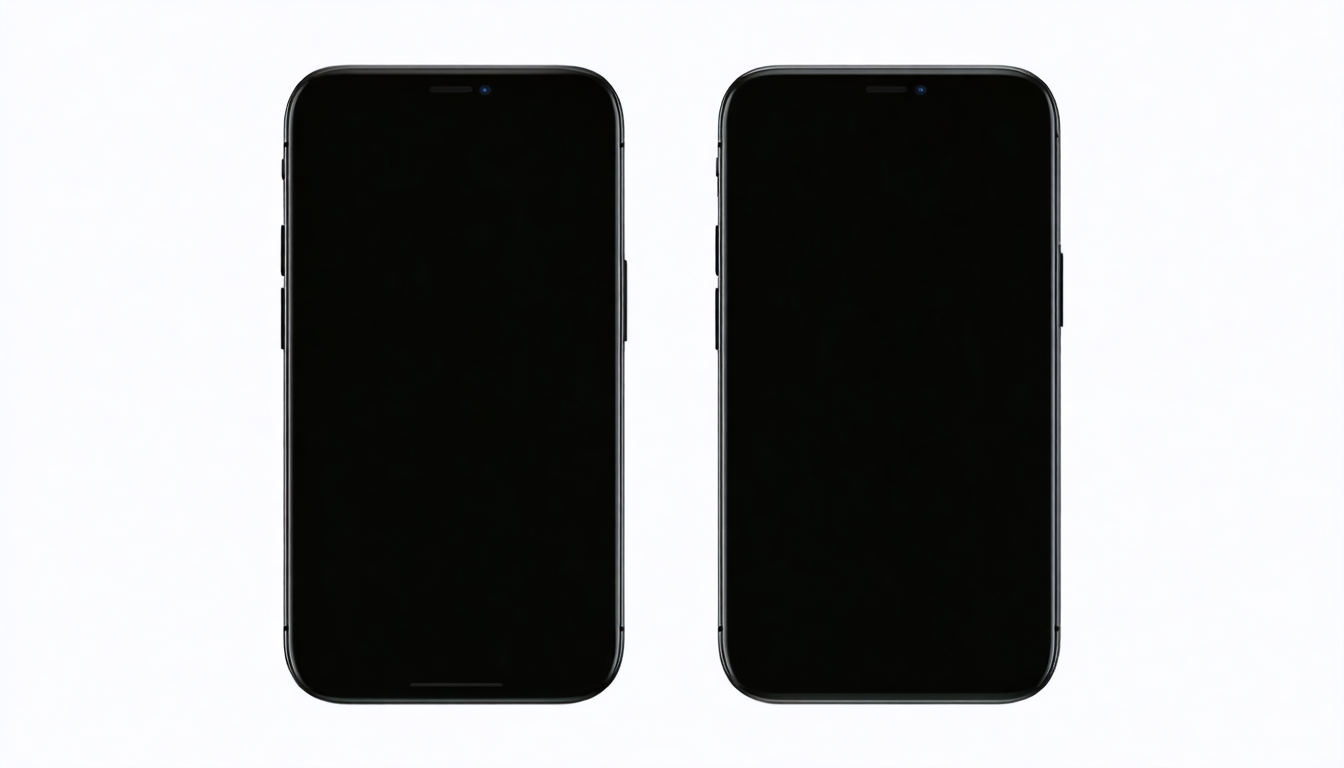
Before proceeding with any iPhone screen repair, it is essential to check the exact model. This may seem basic, but many users confuse the iPhone 12 with its Mini, Pro, or Pro Max variants, which are not interchangeable at the component level.
The standard iPhone 12 model is distinguished notably by its specific screen dimensions (6.1 inches) and the use of an OLED screen with well-defined characteristics. An iPhone 12 Mini screen, for example, will be physically smaller and unsuitable, which compromises any restoration attempt.
A good reflex is to consult technical information via the phone settings or by looking at the reference engraved on the back of the chassis. Professional sellers and reliable online stores always specify the exact model to avoid confusion.
Also make sure to check specific technical characteristics, such as the presence or absence of 3D Touch (absent in the standard iPhone 12), exact resolution, and compatibility with accessories such as cases or screen protectors.
In case of doubt, it is prudent to refer to a recognized smartphone repair guide or consult a reliable tutorial video that details step by step the procedure and clearly identifies the necessary screen reference. This avoids costly errors and frustrations during reassembly.
Key steps to successfully repair the iPhone 12 screen without compromising quality
Replacing an iPhone 12 screen is a delicate operation that requires precision, appropriate tools, and strict adherence to a rigorous procedure so as not to damage internal components or alter system performance.
Here is an overview of the essential steps to ensure a successful repair and preserve iPhone 12 screen quality:
- Preparation: discharge the device, turn it off completely, then remove the specific screws with a suitable P2 screwdriver.
- Cautious opening: use a suction cup and plastic tools to detach the cracked glass without breaking the OLED screen underneath.
- Disconnecting the ribbons: carefully unscrew the ribbon supports, disconnect them one by one avoiding any force.
- Removing old components: remove the cracked screen, sensors, and front camera while taking care not to damage the printed circuits.
- Installing the new screen: proceed in reverse order, connecting the cables to the correct ports, and reinstall the screwed supports for optimal fixation.
- Test before closing: turn on the phone to test touch responsiveness, brightness, and Face ID recognition if possible.
- Final closure: close the device by reinstalling screws and fix the new glass with specific adhesive, sealed for waterproofing.
A rushed or clumsy assembly can cause malfunctions or degraded display quality. Patience, precision, and sometimes an expert tutorial are your best allies in this complex intervention.
Repairing your iPhone 12: an economical and ecological choice in 2026
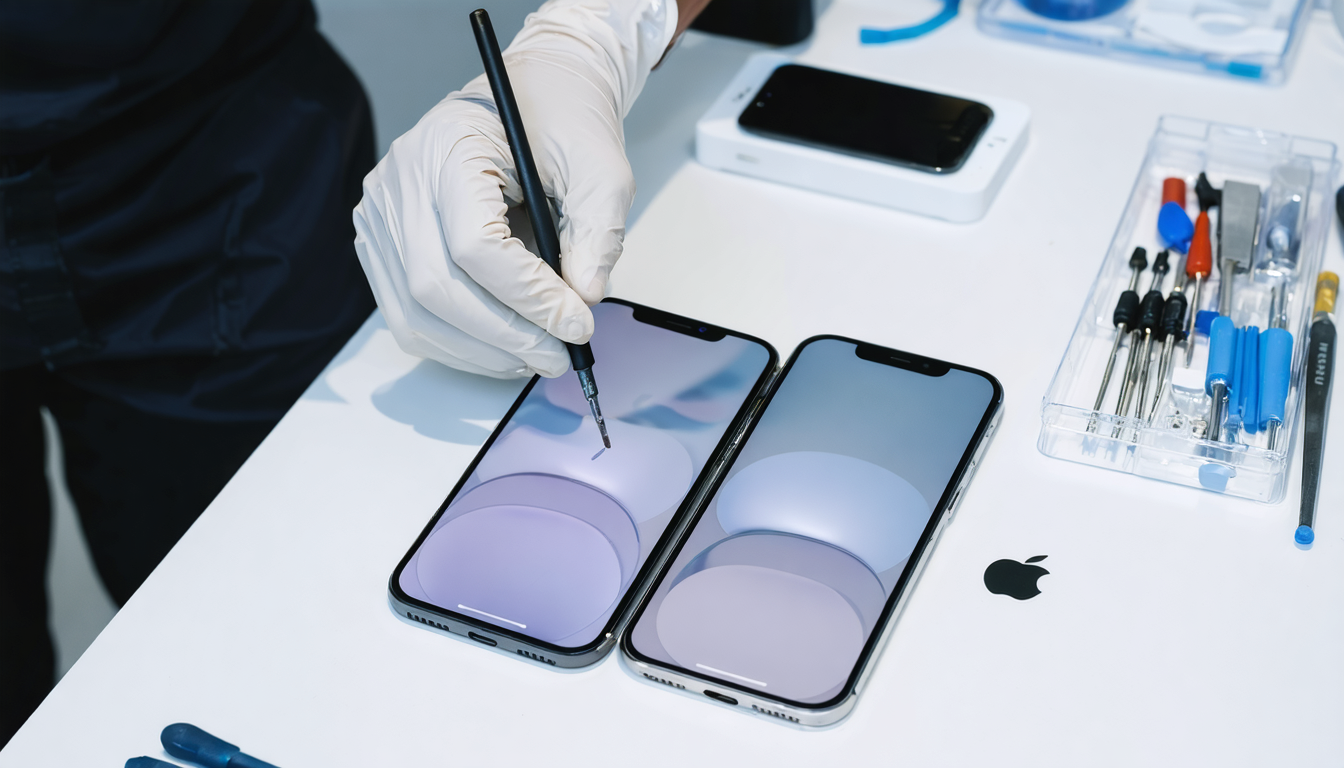
In the midst of an ecological awareness era, restoring an iPhone 12 with an original or compatible screen fits within a responsible logic of reducing electronic waste. Instead of replacing the entire smartphone, repairing the screen extends its lifespan and limits the environmental impact of intensive manufacturing of new devices.
Financially, the repair is kind to your wallet. The cost of an original screen is certainly higher, but remains significantly lower than that of a new high-end smartphone, whose prices have skyrocketed in recent years. Moreover, compatible screens themselves are often affordable, offering an accessible solution.
Furthermore, the overall condition of the iPhone 12 remains very good technically in 2026. With a powerful processor and the latest compatible iOS update, it still rivals newer models for most common uses, reinforcing the interest of repair.
A user who opted for an iPhone screen repair with an entry-level compatible screen extended the use of his phone by several years, thus avoiding a costly renewal and generating less waste in electronic landfills. It is such gestures that, on a large scale, contribute to a healthier environment.
Ultimately, repair represents a tasty and balanced alternative between quality, budget, and respect for the planet. The satisfaction of giving new life to a device dear to its user is also a pleasure difficult to quantify.
Determining criteria to guarantee durability after an iPhone 12 screen repair
A repaired screen can encounter various problems after a few weeks or months: yellowing, decreased brightness, loss of touch sensitivity, or even total failure. To avoid this, several factors must be taken into account to ensure a successful and durable repair.
First, the quality of the chosen screen is paramount. An original Apple screen or a recognized compatible screen often offers a longer warranty and more resistant materials. Conversely, a low-priced screen of dubious quality risks showing these symptoms fairly quickly.
Second, installation is crucial. A clean assembly avoids unnecessary stress on ribbons or sensitive components, which prevents failures. Following the procedures recommended by Apple or certified tutorials is therefore essential.
Finally, care provided after repair also plays a role. Protection with a solid case and tempered glass adapts the life of the new screen, reducing the risk of new accidents.
To better understand these criteria, here is a summary of best practices:
- Favor a recognized screen (original or high-quality compatible).
- Strictly follow the replacement procedure, step by step.
- Test the screen before closing the phone.
- Use suitable protective accessories after the repair.
- Avoid prolonged exposure to moisture or repeated shocks.
- Regularly check touch functionality and brightness.
This monitoring helps anticipate potential problems before they escalate and guarantees the best possible user experience after repair.
Tips for a successful iPhone 12 screen repair: practical smartphone repair guide
Whether you are a novice or an informed enthusiast, restoring your iPhone 12 requires preparation beforehand to ensure the operation’s success. Here are some key tips drawn from the experience of professionals and repairers in 2026:
- Choose a clean and tidy environment to avoid losing screws or components.
- Use appropriate tools, such as a Pentalobe screwdriver kit, a suction cup, plastic spatulas, and an anti-static mat.
- Consult a specialized video tutorial to follow each step precisely and limit the risk of errors.
- Test the new screen before complete reassembly to validate its full functionality.
- Take your time and do not force when disconnecting ribbons, which are generally fragile.
- Document the procedure can also help for flawless disassembly and reassembly (photos, videos).
Finally, do not hesitate to turn to a professional if the operation becomes too complex. An iPhone screen repair carried out according to the rules of the art guarantees the best result, while maintaining iPhone 12 screen quality. Restoring your iPhone 12 by following these tips also ensures successful repair that extends the device’s life.