

Each summer, the Pyrenees see their summer population explode, particularly in seaside resorts such as Port-Barcarès, Saint-Cyprien, or Argelès-sur-Mer. These giant campsites welcome millions of holidaymakers eager for sun and leisure, but this massive influx comes with a set of challenges in terms of public safety. The gendarmes of the department, about 700 agents, are therefore on the front lines to manage a multitude of complex situations, ranging from fights to domestic violence, not forgetting the growing issue of reckless drivers on winding roads. Their thorough investigations and heightened vigilance aim to protect both residents and tourists in this bustling island-like context. Faced with the multiplication of incidents, these law enforcement forces adapt their methods to ensure effective law enforcement and guarantee public tranquility.
During the high season, over a million holidaymakers converge on this region, multiplying the local population by ten in targeted areas. This phenomenon leads to a considerable complexity of police operations. The gendarmes must thus intensify their road checks to combat speeding and dangerous driving. At the same time, violence, whether in the streets, within families, or near festive locations, requires fast and precise intervention. Controls and prevention are all the more crucial since this population flow is likely to attract fraudulent activities and deviant behaviors. To respond to these multiple threats, coordination between the department’s forces becomes essential, and every summer month constitutes a true test for these law enforcement professionals.
- 1 The specific challenges of giant campsites in the Pyrenees and their impact on public safety
- 2 Violence in the Pyrenees: a reality that mobilizes law enforcement
- 3 The issue of reckless drivers on Pyrenean roads: control and prevention
- 4 The strategies of the Pyrenean gendarmes for effective law enforcement in the face of summer events
- 5 In-depth investigations and innovative techniques: the key role of the gendarmes in the fight against summer scams and offenses
- 6 Enhanced road checks: a major lever for safety on the Occitan coast
- 7 The importance of inter-agency coordination for enhanced vigilance in the Pyrenees
- 8 Raising awareness among holidaymakers and users: a key axis for better public safety
The specific challenges of giant campsites in the Pyrenees and their impact on public safety
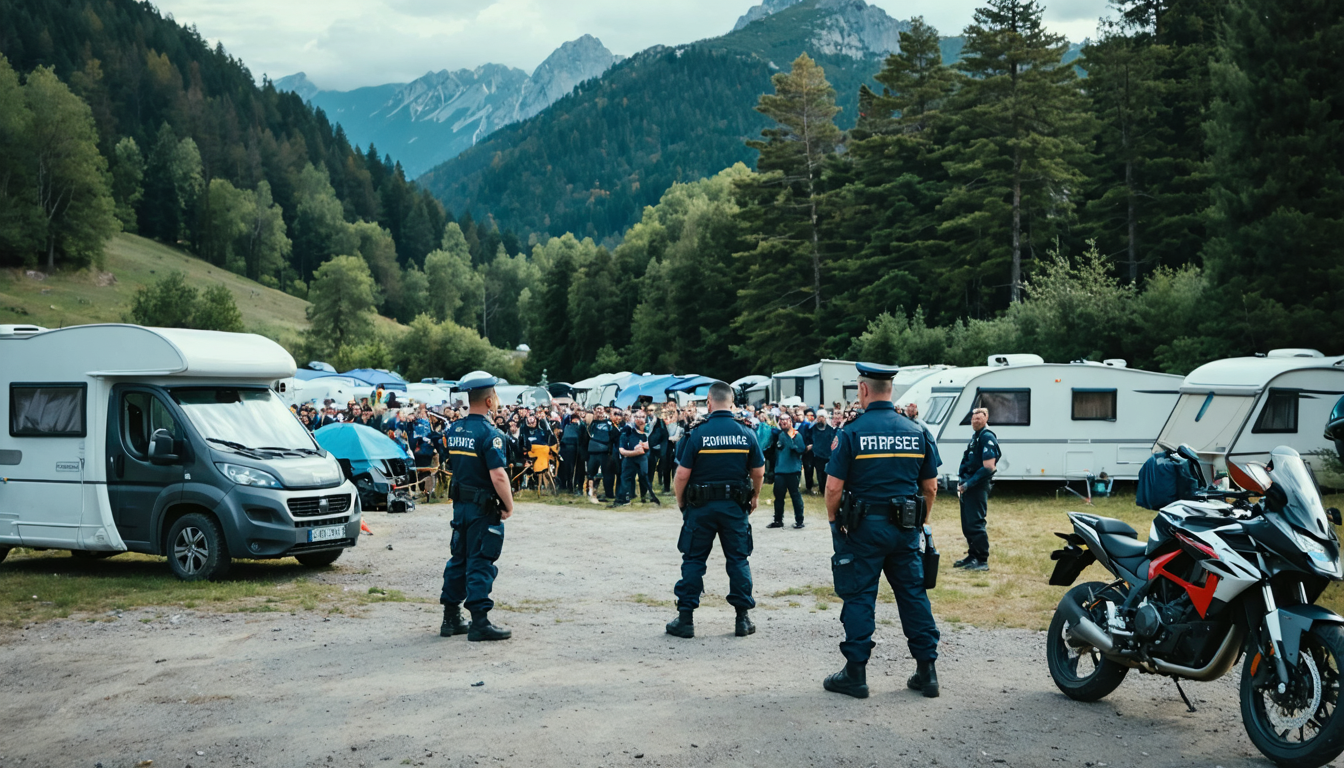
The giant campsites of the Pyrenean coast represent a true microcosm where several security issues combine. In 2025, this reality is exacerbated by the dual phenomenon of seasonal overpopulation and the demographic evolution of holidaymakers, now younger and more numerous in search of festive and sometimes out-of-control experiences. In these vast spaces, often composed of thousands of pitches and large leisure infrastructures, security management is particularly challenging.
Incidents are numerous and varied: brawls between groups of holidaymakers, nighttime noise, pickpocketing, but also more serious violence requiring a rapid response from law enforcement. These campsites are also conducive to spontaneous festive gatherings, some exceeding legal limits, thus generating obvious tensions. For the gendarmes, this implies an increased presence on the ground, the establishment of continuous patrols, and close surveillance at the entrance as well as inside the sites.
The complexity also lies in the need to balance prevention and repression, preserving the tourist image of the region without minimizing the risks. Specialized teams are sometimes dedicated to mediation and dialogue with holidaymakers to defuse conflict situations before they escalate. Awareness campaigns play a crucial role, within the framework of partnerships with campsite managers and local stakeholders.
Concrete examples clearly illustrate these issues. In one of the largest campsites on the coast, a generalized fight involving several dozen people required the intervention of several patrols. The coordinated reaction made it possible to restore order in less than an hour, avoiding a dangerous escalation. However, this episode also highlights the difficulty for gendarmes to anticipate certain behaviors, especially when opposing groups hide among a large and mobile crowd of holidaymakers.
These challenges require regular reviews of intervention strategies, personnel training, and equipment. Technology, such as drones for aerial surveillance and mobile cameras, is increasingly used to complement traditional devices and facilitate rapid incident detection. Moreover, coordination with emergency services, medical services, and municipal authorities is intensive, as risk prevention is not limited to the sole action of the gendarmes.
Violence in the Pyrenees: a reality that mobilizes law enforcement
The context is particularly sensitive during the summer period, when violence, whether domestic, at local parties, or near nightclubs, manifests with increased intensity. In 2025, the gendarmes of the Pyrenean massif face a resurgence of these acts, requiring heightened vigilance on all fronts.
Domestic violence remains a scourge difficult to apprehend visibly, but it constitutes a significant part of interventions. Reports, often made by neighbors or relatives, multiply as teams deploy awareness campaigns and facilitate access to support systems. These interventions require a delicate approach, combining firmness and support to protect victims while guiding perpetrators towards possible reintegration. Rapid management is essential to prevent escalation.
Furthermore, violence related to festive gatherings takes many forms: violent intrusions, physical assaults, verbal abuse, or even overflows during village festivals. These situations require meticulous preparation by law enforcement, often in collaboration with organizers. Anticipation work is carried out to identify risks, allow a deterrent presence, and intervene effectively. It is about combining the freedom to celebrate while respecting public safety, a delicate balance to maintain.
In some cases, gendarmes are confronted with violent incidents triggered by simple quarrels or rivalries, often amplified by alcohol or banned substances. Targeted prevention operations, notably reinforced road checks at critical times, nevertheless reduce the impact of these events. The goal is to intervene before disputes escalate, while ensuring smooth traffic flow in highly frequented areas.
A large part of the work also relies on collaboration with social services, local associations, and medical actors to follow sensitive cases and offer sustainable solutions to victims. This multidimensional approach strengthens the gendarmes’ ability to intervene effectively while limiting the social impact of this violence.
The issue of reckless drivers on Pyrenean roads: control and prevention
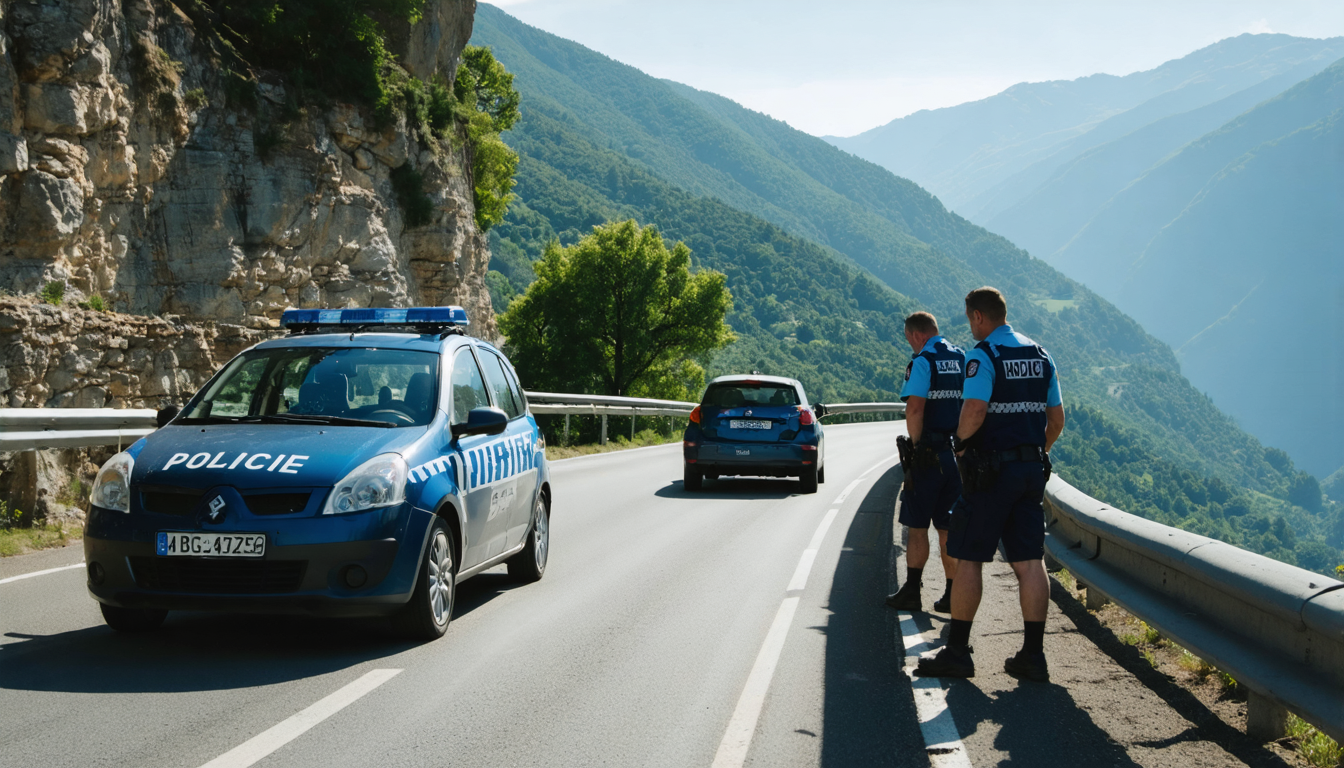
In the Pyrenees, the winding and often narrow roads attract an exceptional influx during the season. The phenomena of reckless drivers, who sometimes take on dangerous appearances, represent a headache for law enforcement officers in charge of road controls. These regulation challengers, often young and under the influence of alcohol or drugs, threaten both their own safety and that of other users, hence the heightened vigilance.
The gendarmes have intensified their patrols in sensitive areas, multiplying checkpoints and using mobile radars to track speeding. These devices are accompanied by information campaigns aimed at raising drivers’ awareness of the risks. In parallel, severe sanctions are applied to deter repeat offenses. Breathalyzer and drug tests are increasingly frequent, notably in tourist zones where risky behaviors are more prevalent.
The context of holiday journeys, with a certain form of impatience and excitement, also fuels these risky behaviors. Anecdotal examples show that some reckless drivers multiply infractions, going from one offense to another within minutes. Faced with this phenomenon, the gendarmes rely on precise data from previous years to identify hotspots and adapt their deployment according to high-risk days and times.
The table below illustrates the usual distribution of road infractions recorded in the department during the summer, revealing action priorities:
| Type of infraction | Average number of summer interventions | Main actions developed |
|---|---|---|
| Speeding | 1200 | Mobile radar, immediate ticketing, awareness |
| Driving under the influence | 900 | Sobriety check, impoundment, license suspension |
| Failure to comply with traffic laws | 800 | Targeted controls, information campaigns |
This increased vigilance is crucial to prevent serious accidents that regularly mark the summer season. It is also a key element to ensure the fluidity and safety of tourist travel in an environment with limited infrastructure.
The strategies of the Pyrenean gendarmes for effective law enforcement in the face of summer events
Maintaining public order in a context where the population is multiplied tenfold represents a major challenge. The Pyrenean gendarmes deploy various strategies adapted to local specificities in order to reconcile firmness and prevention. This notably translates into a temporary reorganization of forces and the creation of teams specially dedicated to summer interventions.
An important dimension consists of ensuring a visible and reassuring presence, especially in tourist neighborhoods and frequented places. They also participate in mediation operations to defuse tensions before they escalate into violence. Their role is as much that of protectors as facilitators of conviviality.
At the same time, close collaboration with municipal police, emergency services, local elected officials, and tourism stakeholders is essential. This coordination makes it possible to mobilize complementary resources and adopt a global approach to public safety. In 2025, information exchanges via secure digital platforms have strengthened the effectiveness of interventions through better anticipation of risks.
One of the remarkable initiatives has been the establishment of reinforced mobile brigades, capable of quickly intervening on various types of incidents, whether related to violence, disturbances in giant campsites, or road offenses. These brigades benefit from advanced technical means, ranging from all-terrain vehicles to specific digital equipment.
To illustrate, during a festive event that planned a massive gathering on the coast, these brigades facilitated security by limiting overflows thanks to a preventive presence. Real-time monitoring of alerts allowed a targeted and rapid intervention, avoiding prolonged conflict situations.
In-depth investigations and innovative techniques: the key role of the gendarmes in the fight against summer scams and offenses
Beyond physical violence and traffic offenses, the gendarmes face another invisible but equally worrying threat: scams and offenses affecting holidaymakers during the high season. These fraudulent practices take various forms, including fake rentals, thefts, credit card frauds, and various manipulations.
In-depth investigations conducted by specialized brigades make it possible to detect these often hard-to-prove offenses. They require precise knowledge of local circuits, possible complicities, as well as an ability to analyze suspicious behaviors. These investigations may last several weeks, until the perpetrators are arrested and goods or funds returned.
One of the innovative methods used is digital surveillance, with tools allowing to trace suspicious transactions and quickly identify scam networks. These techniques, combined with witnesses and material evidence, strengthen the credibility of cases and the firmness of judicial proceedings.
To illustrate, a recent operation dismantled a network operating in several giant campsites. This network offered fake rentals at low prices, collecting deposits for non-existent pitches. Thanks to collaboration between the gendarmes, victims, and booking platforms, a significant number of complaints were resolved in a few weeks. This operation showed how essential the reinforced vigilance of law enforcement is to protect holidaymakers and guarantee the touristic reputation of the region.

Enhanced road checks: a major lever for safety on the Occitan coast
Faced with the continuous influx of vehicles during the summer, the implementation of enhanced road checks has become an essential practice for law enforcement in the Pyrenees. These checks target not only offenses such as speeding or driving under the influence, but also the possession of non-compliant or dangerous vehicles.
Checkpoints are strategically positioned at the entrances of tourist areas, on major roads, and near giant campsites, in order to intercept the maximum number of risky users. This organization allows immediate action, whether to issue tickets or to prevent a potential accident. The number of vehicles checked can reach several thousand per day during peak periods.
In 2025, equipment modernization and continuous training of agents have significantly improved the quality and speed of controls. Some stations are equipped with portable analytical devices capable of detecting the presence of alcohol or drugs in a driver’s body within minutes. This efficiency on the ground limits repeat offenses and acts as a powerful deterrent.
Collaboration with medical services and expertise centers is also favored to ensure appropriate follow-up in case of serious offenses. For example, drunk drivers can be referred to specialized consultations and reintegration programs.
List of priority actions within the framework of summer road controls:
- Reinforcement of patrols on main and secondary roads
- Multiplication of fixed and mobile checkpoints
- Awareness and prevention campaigns targeting young drivers
- Cooperation with rapid detection technologies (alcohol, drugs)
- Immediate sanctions for serious offenses
- Post-ticketing follow-up to reduce recidivism
The importance of inter-agency coordination for enhanced vigilance in the Pyrenees
The complexity of the phenomena that gendarmes face during the tourist season requires a rigorous organization based on collaboration between various public and private service actors. This inter-agency coordination improves operational efficiency, optimizes resources, and guarantees a rapid and adapted response to the most diverse situations.
Local partners, whether municipal services, firefighters, health centers, or victim protection associations, play a key role in this ecosystem. Regular meetings allow anticipating events, exchanging strategic information, and setting up joint action plans. In 2025, the increased use of secure digital tools facilitates this synergy and reduces alert transmission delays.
For example, during festivals or sports events, this cooperation is manifested by the creation of crisis cells and flow management. This limits the risk of overflows and guarantees the continuity of activities while protecting the population.
Such an approach also contributes to long-term prevention, with the creation of educational programs and digital alert tools to raise holidaymakers’ awareness of good behavior. This dynamic intervention model will help sustain quality of life in the Pyrenees despite the constant pressure of tourist episodes.
Raising awareness among holidaymakers and users: a key axis for better public safety
Among the many means available to authorities, raising awareness among holidaymakers is an absolute priority to ensure the success of operations led by the gendarmes. Informing, preventing, and making people responsible are key verbs illustrating this approach.
Communication campaigns through various media (posters in giant campsites, radio spots, social networks) inform about risks related to violence, excessive alcohol, dangerous driving, or scams. These messages are adapted to reach a diverse audience, from young adults to families with children. The dissemination of this information aims to reduce the frequency of incidents upstream.
Moreover, collaboration with campsite managers and tourist organizations is fundamental. These interlocutors are privileged vigilance relays. They participate in circulating good practices within accommodation sites and access control. Their role in early detection of deviant behaviors is appreciated and valued.
A striking example concerns actions taken to limit nighttime violence in areas with high concentrations of young people. Joint operations between the gendarmerie and local animators have created dedicated spaces for relaxation and respect, free of tensions, encouraged by clear signage.
This strategy embeds public safety in a participative logic, valuing individual and collective responsibility so that everyone can enjoy their vacation peacefully.