

For more than two decades, the Resident Evil franchise has captivated survival horror fans in cinema thanks to its unique blend of frantic action and apocalyptic horror. From Milla Jovovich’s fierce portrayal in the six live-action films, to the 2021 reboot more faithful to the video games, not to mention the animated films that further expand the universe, diving into Resident Evil can quickly become confusing. In 2026, with a saga that now spans more than a dozen episodes all linked to the emergence of the T-virus and its catastrophic effects, knowing the ideal chronological viewing order becomes essential to fully enjoy this zombie epic.
This comprehensive guide aims to demystify the complexity of the Resident Evil timeline, highlighting the evolution of its main characters, key plotlines, as well as the best way to navigate between live-action films, reboot, and animations. Whether you are a newcomer ready to discover this universe or a fan wanting to revisit the saga properly, we reveal how to follow the fierce battle against the Umbrella Corporation and its genetically modified experiments across the globe.
- 1 The perfect chronological order to discover the Resident Evil films
- 2 The essential characters of the Resident Evil saga: focus on Alice and her allies
- 3 An extended universe through various iconic locations: Raccoon City, Tokyo, Las Vegas, and Antarctica
- 4 The 2021 reboot: a return to the sources more faithful to the video games
- 5 The Resident Evil animated films: a new narrative dimension
- 6 Where and how to watch all Resident Evil films and animations in 2026?
- 7 The video game’s influence on the Resident Evil film saga
- 8 Why following the chronological order improves the Resident Evil cinema experience
The perfect chronological order to discover the Resident Evil films
One of the main challenges for viewers is determining which film to start with in a franchise as vast as Resident Evil. Unlike a linear TV series, Resident Evil features several timelines that must be distinguished. Our recommendation? Start with Resident Evil: Welcome to Raccoon City, a reboot released in 2021, which serves as a prequel to the entire saga by taking place in 1998, a key year marked by the emergence of the T-virus.
This introduction plunges you directly into the major events triggering the zombie outbreaks, before continuing with the main series of six films starring Milla Jovovich as Alice. Here is the recommended chronological order:
- Resident Evil: Welcome to Raccoon City (2021) – The source of the outbreak and the dark atmosphere faithful to the video games.
- Resident Evil (2002) – Meeting Alice and early confrontations with Umbrella’s experiments.
- Resident Evil: Apocalypse (2004) – The city of Raccoon City is quarantined, chaos sets in.
- Resident Evil: Extinction (2007) – The apocalypse has won, survivors roam a radioactive desert.
- Resident Evil: Afterlife (2010) – The fight continues on new territories with new machines.
- Resident Evil: Retribution (2012) – A return to the source with ever higher stakes.
- Resident Evil: The Final Chapter (2017) – The final battle for humanity’s fate.
Why this arrangement? Although Welcome to Raccoon City was released well after the others, it resets the foundations of the story and explains the origins of the virus and main characters. This chronology greatly facilitates understanding and narrative continuity, even for newcomers.
The essential characters of the Resident Evil saga: focus on Alice and her allies
At the heart of this series, Alice, played by Milla Jovovich, symbolizes the human struggle against the global catastrophe. Her character evolves throughout the films, moving from a simple survivor to a quasi-mythical figure capable of standing up to hordes of zombies and the dark forces of the Umbrella Corporation. Her charisma and extraordinary abilities have made her an icon of 2000s action and horror cinema.
But the saga would be nothing without a solid cast of secondary characters from the video games, who enrich the plot and offer different perspectives:
| Character | Actor | Notable Appearance |
|---|---|---|
| Alice | Milla Jovovich | All films except Welcome to Raccoon City |
| Chris Redfield | Wentworth Miller | Resident Evil: Afterlife |
| Jill Valentine | Sienna Guillory | Resident Evil: Apocalypse |
| Leon Kennedy | Johann Urb | Resident Evil: Retribution |
These characters enrich the universe and provide links with video game scenarios, reinforcing coherence and fan attachment. Their presence often signals key plot twists contributing to the suspense and dramatic intensity of the films.
An extended universe through various iconic locations: Raccoon City, Tokyo, Las Vegas, and Antarctica
Resident Evil is not just a simple story of hungry zombies; it is also a globe-trotting exploration through varied environments, each revealing a facet of the apocalypse. The studios struck hard by choosing very diverse settings where the action takes place, making the spectacle as captivating as it is terrifying.
Initially, the epicenter of the disaster is Raccoon City, the fictional town where the T-virus is accidentally released, turning the population into aggressive monsters. The depiction of this quarantined city is emblematic of organized chaos and corporate manipulations leading to humanity’s downfall as we know it.
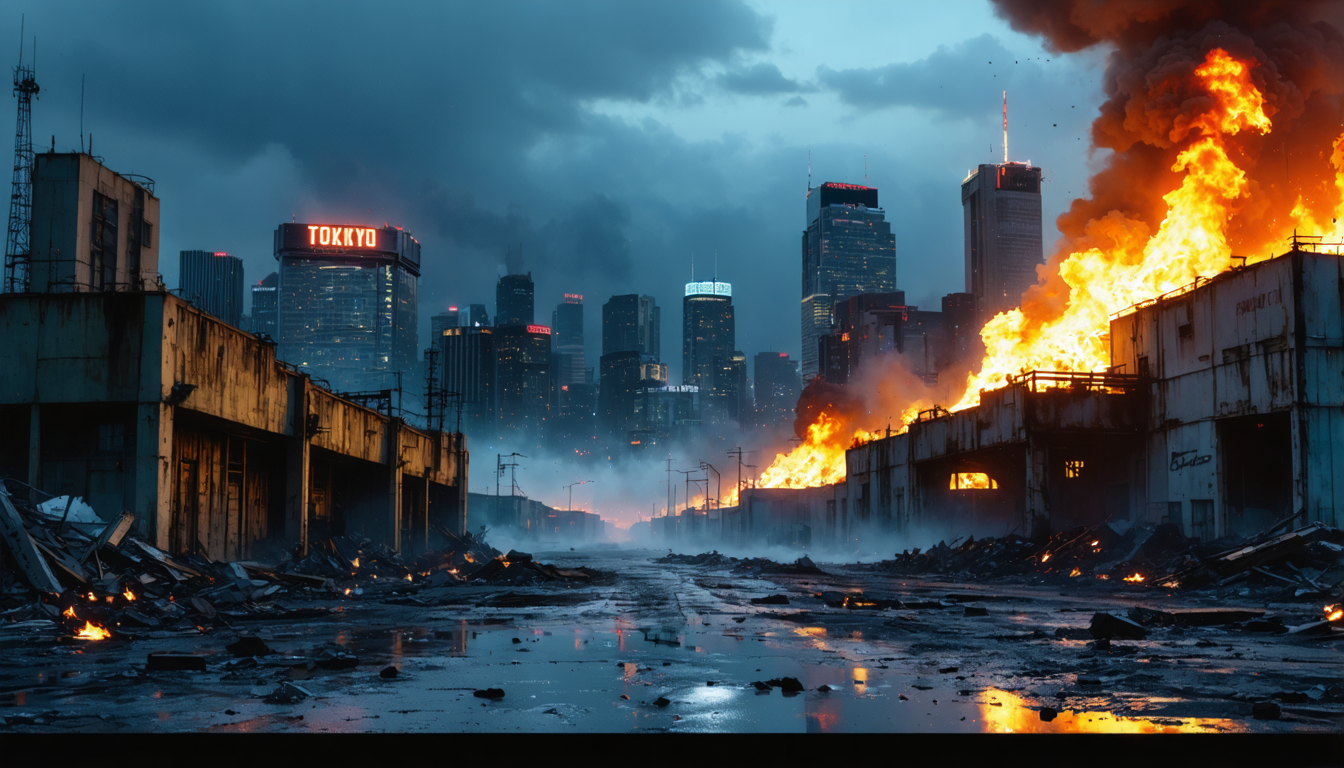
The saga then expands to Tokyo, where another massive contamination causes intense action scenes, then finally to Las Vegas, transformed into a post-apocalyptic battleground. This variety in settings breathes new life into the series, avoiding boredom and exploiting each urban and environmental context to balance horror and dynamism.
To conclude the journey, the ultimate chapter takes place in Antarctica, a surprising choice that shocks by its extreme isolation and harsh conditions, heightening dramatic tension. These varied locations show both the scope of the disaster and the intertwined narrative resources allowing multiple plotlines to be addressed simultaneously.
The 2021 reboot: a return to the sources more faithful to the video games
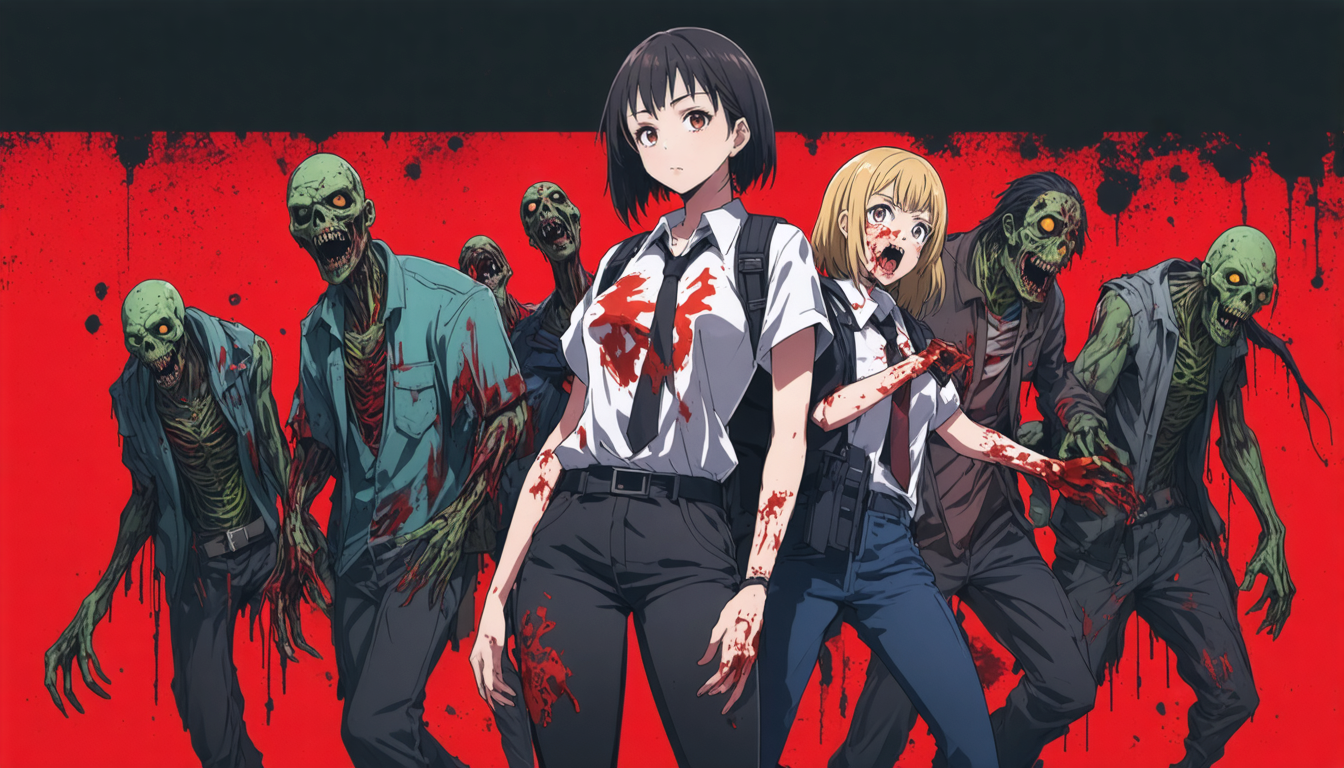
Released in 2021, Resident Evil: Welcome to Raccoon City offers a different perspective on the saga. Unlike the six previous films, this reboot is much more directly inspired by the original video games, aiming to respect the tone and atmosphere of the cult titles that launched the franchise.
This film reveals the first contamination of the T-virus, as well as the tragic fate of several important characters from the video game universe. Unlike the character Alice, who is an exclusive creation of the live-action films, the reboot highlights familiar figures such as Claire Redfield and Leon Kennedy, paying tribute to early fans.
The direction favors a darker and more oppressive atmosphere, with constant tension and horror scenes closer to the standards of classic survival horror. This choice gives an added soul and a sense of renewal that appeals equally to longtime fans and newcomers.
The Resident Evil animated films: a new narrative dimension
In addition to the live-action films, the franchise has grown with a series of animated films that develop parallel plots or deepen certain arcs less known to the general public. These animated episodes play an essential role in 2026 to offer a broader vision of the Resident Evil world, while exploring its darkest themes.
Unlike the live-action features, these animated films take advantage of the format’s freedom to propose more stylized battles and impressive visual effects, sometimes otherwise unachievable. They also allow a more detailed exploration of secondary characters and the behind-the-scenes of Umbrella’s experiments, which enriches the overall understanding of the saga.
Here is a list of the main Resident Evil animated films:
- Resident Evil: Degeneration (2008)
- Resident Evil: Damnation (2012)
- Resident Evil: Vendetta (2017)
- Resident Evil: Infinite Darkness (animated series, 2021)
This animated universe is aimed at a discerning audience, often more into canonical elements and eager to have a more exhaustive overview of the geopolitical and bioethical issues inherent to Umbrella and the modified viruses.
Where and how to watch all Resident Evil films and animations in 2026?
With the multiplication of streaming platforms and online rentals, accessing the entirety of the Resident Evil franchise has never been easier. In 2026, all major films are available on popular services such as Netflix, Amazon Prime Video, and other platforms specialized in science fiction and horror content.
For physical collection enthusiasts, some Blu-ray box sets include all episodes, with exclusive bonuses, interviews, and deleted scenes that enrich your experience. Enough to satisfy both purists and those discovering the franchise.
Here are some recommendations to optimize your Resident Evil marathon:
- Start by choosing your platform carefully according to regional availability.
- Prefer HD streaming to fully enjoy the settings and special effects.
- Note that the 2021 reboot can be watched independently if you want a quick and faithful overview of the games.
- Alternate between live-action films and animations to vary the pleasures and explore all angles of the franchise.
The video game’s influence on the Resident Evil film saga
It is impossible to fully understand Resident Evil without mentioning its origin in the video game universe. The games, launched in 1996, laid the foundations of survival horror by combining exploration, puzzles, and action in an oppressive context. This base naturally nourished cinema while adapting the codes to visual storytelling and the blockbuster format.
The transition from game to cinema, however, generated several divergences. For example, Alice, the central character in the films, does not exist in the games, but she has become an iconic figure bringing new dynamics, particularly in action scenes and fights. Meanwhile, many plot elements and secondary characters come directly from the games, allowing fans to find their favorite heroes.
This hybridization between respectful homage and creative freedom has allowed Resident Evil to establish itself as a pillar of apocalyptic horror cinema, with more than 11 films to date and a loyal community, proving that the mix between video game and cinema can successfully capture the popular imagination.
Why following the chronological order improves the Resident Evil cinema experience
Watching Resident Evil in release order can be tempting, especially to relive the evolution of film techniques over the years. However, choosing the chronological order of the franchise’s story is far more rewarding. It allows a progressive understanding of key events, avoiding being overwhelmed by a succession of actions sometimes difficult to place in time.
The chronological order highlights the progression of the struggle against Umbrella, while detailing character development coherently. For example, starting with Welcome to Raccoon City sets the foundations of the disaster, offering crucial context to fully appreciate the stakes of later films where Alice becomes the central figure.
Moreover, this chronological sequence facilitates the recognition of narrative links between different episodes, significantly enhancing the emotional impact and dramatic tension. It then becomes easier to follow plot twists and appreciate the cross-references that punctuate the saga.
Here is a summary of the major advantages:
- Improved clarity of the overall narrative thread
- Better understanding of character development
- Enhanced appreciation of key moments and revelations
- Ability to enjoy the links between live-action films and animations