
Video games have undergone impressive evolution over the past decade. While once synonymous with powerful consoles and PCs, they have now massively shifted towards an increasingly universal platform: the smartphone. Originally appearing as simple communication devices, smartphones—whether iPhone or Android—have evolved into genuine gaming platforms, challenging the historical supremacy of home consoles. This transition raises a central question: is video gaming now predominantly reserved for mobile devices? And if so, how does this influence the gaming experience, the player community, or even the digital entertainment industry?
The massive shift to mobile gaming relies on technological factors, user preferences, and new practices. In 2024, statistics indicated that 67% of gamers preferred using their smartphone over turning on a console or PC. Devices equipped with ultra-powerful chips, such as the iPhone 17 Pro with its A19 Bionic Pro chip, or recent Android models powered by the Snapdragon 8 Elite 5, now offer graphics and performance that rival certain consoles. This, combined with the great accessibility and portability of the devices, gives a new face to gaming in players’ daily lives.
Yet, beyond raw power, the question remains open: can a smartphone truly replace a console beyond marketing campaigns? Ergonomics, battery life, immersion quality, and the very nature of the experiences offered are key factors that provide a nuanced and complex answer.
- 1 The hardware power of smartphones: a new era for mobile gaming
- 2 Ergonomics and interface: a challenge for demanding games on smartphones
- 3 Battery life and gaming comfort: a fragile balance for smartphones
- 4 Game catalog and subscriptions: a massive and diverse offer on smartphones
- 5 The increased accessibility of mobile gaming, a key factor in its massive success
- 6 Video games and mobility: how gaming times have changed with smartphones
- 7 What trends for the future of video games between smartphones and consoles?
The hardware power of smartphones: a new era for mobile gaming
The primary reason explaining the rise of mobile gaming lies in the impressive hardware evolution of smartphones. Long limited to modest performance, current devices embed extremely advanced SoCs (System on Chip). The latest generations of iPhones and Android devices use chips with integrated GPUs, capable of running games with complex graphics, dynamic lighting effects, and open worlds once reserved for consoles.
For example, the A19 Bionic Pro chip of the iPhone 17 Pro offers an architecture designed to optimize energy consumption while supporting resource-intensive games. Likewise, certain Android flagships like the OnePlus 15 equipped with the Snapdragon 8 Elite 5 reach performance levels close to portable consoles. This leap forward allows developers to offer titles with stunning graphic quality, approaching true mini-consoles in your pocket. The impression created is almost magical: holding a high-quality immersive experience in the palm of your hand.
However, hardware power quickly reaches its limits under intensive use. The major challenge is thermal management. Indeed, on a smartphone, heat dissipation is much more limited than on a console, which causes a rapid rise in temperature. After 20 to 30 minutes of intense sessions, the frame rate can be automatically reduced to limit this overheating, which affects fluidity. By comparison, a console is specially designed to maintain optimal performance for long hours thanks to a more efficient cooling system and a dedicated power supply.
Finally, we notice that the ecosystem around mobile gaming has expanded: online platforms, e-sports competitions, sponsorship of events like those organized by sites such as tortugacasino give growing visibility to mobile gaming. This dynamic supports technical evolution and pushes publishers to create ever more ambitious experiences.
Ergonomics and interface: a challenge for demanding games on smartphones
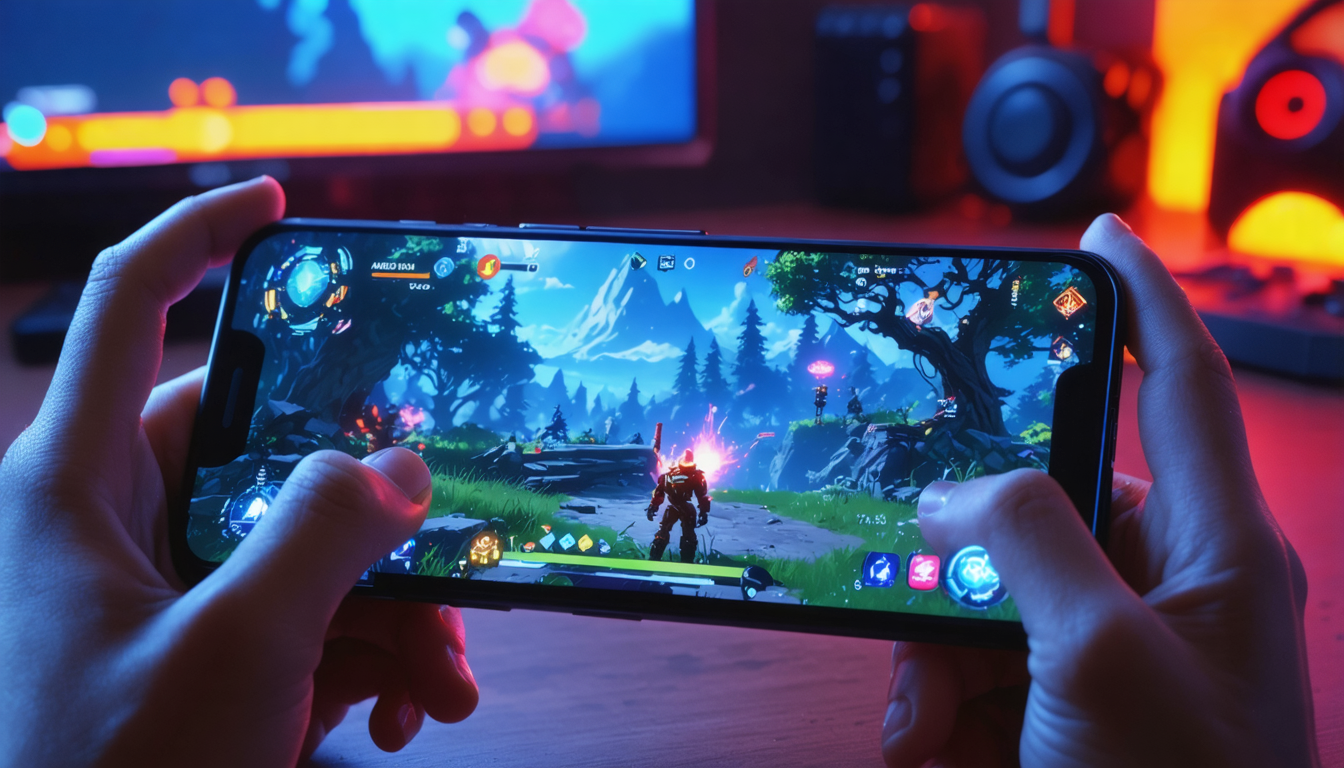
Technical prowess alone is not enough to guarantee a comfortable and immersive gaming experience. Where home consoles excel is in the quality of their controls and handling suited to demanding games. Touchscreens, despite their universality, show their limits in genres such as FPS (First Person Shooter) or fast-action games where every millisecond counts.
On smartphones, virtual controls can degrade the experience. They take up a significant part of the screen, hide essential visual elements, and often lack precision. Players have to deal with “fingers on the screen,” which impair visibility and reaction speed. This creates a noticeable frustration when compared to the fluidity and responsiveness of traditional console controllers.
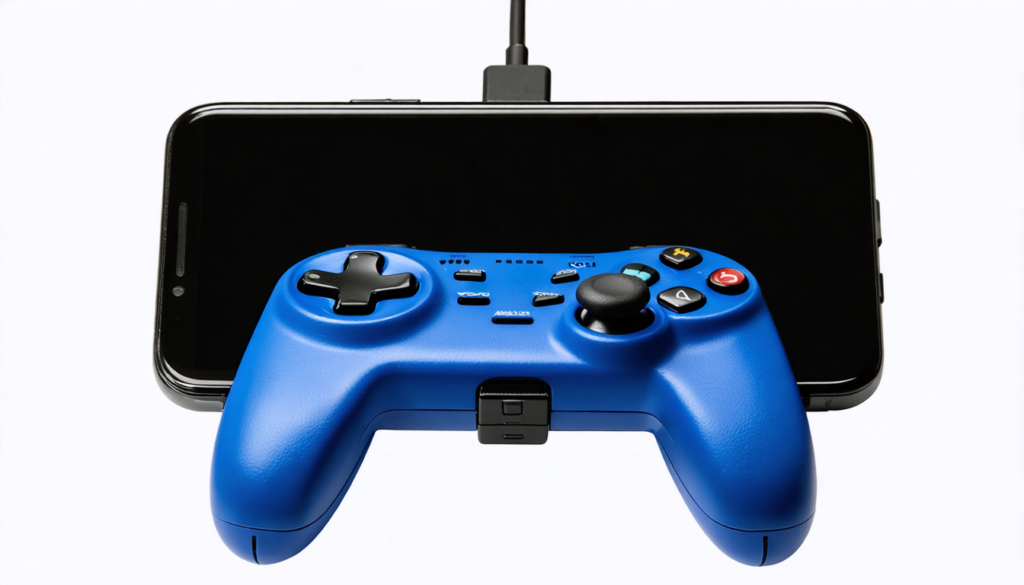
To overcome this issue, accessories like Bluetooth controllers adaptable to smartphones have been introduced. These peripherals almost transform a phone into a portable console. Recognized brands, supported by experts such as those at IGN, regularly test new models. When players connect these controllers, comfort and precision increase drastically, allowing mobile platforms to break free from touchscreen constraints.
However, this solution has its drawbacks. You have to remember to charge the controller, pair the Bluetooth, and keep it within reach. This process removes much of the spontaneity from gameplay, a point where traditional consoles remain unbeatable: turn on, take the controller, and play immediately without intermediate steps.
Ultimately, while mobile shines in simple, casual, or strategy games where touch is sufficient, the console remains the optimal choice for experiences requiring extreme precision, prolonged use, and total immersion.
Battery life and gaming comfort: a fragile balance for smartphones
The smartphone, besides handling console-like graphics, must also serve as a versatile daily companion, which affects the gaming experience on several levels. Battery management is a real challenge: a few hours of intensive gaming can drain a battery already heavily used by notifications, browsing, and calls.
This limitation leads to frequent dilemmas among users: finish a tough level at the risk of running out of battery or keep enough power for the rest of the evening. Thus, battery life becomes a constraining factor that often limits session length. In contrast, consoles have dedicated power supplies and batteries designed to support several hours of continuous gaming without interruption.
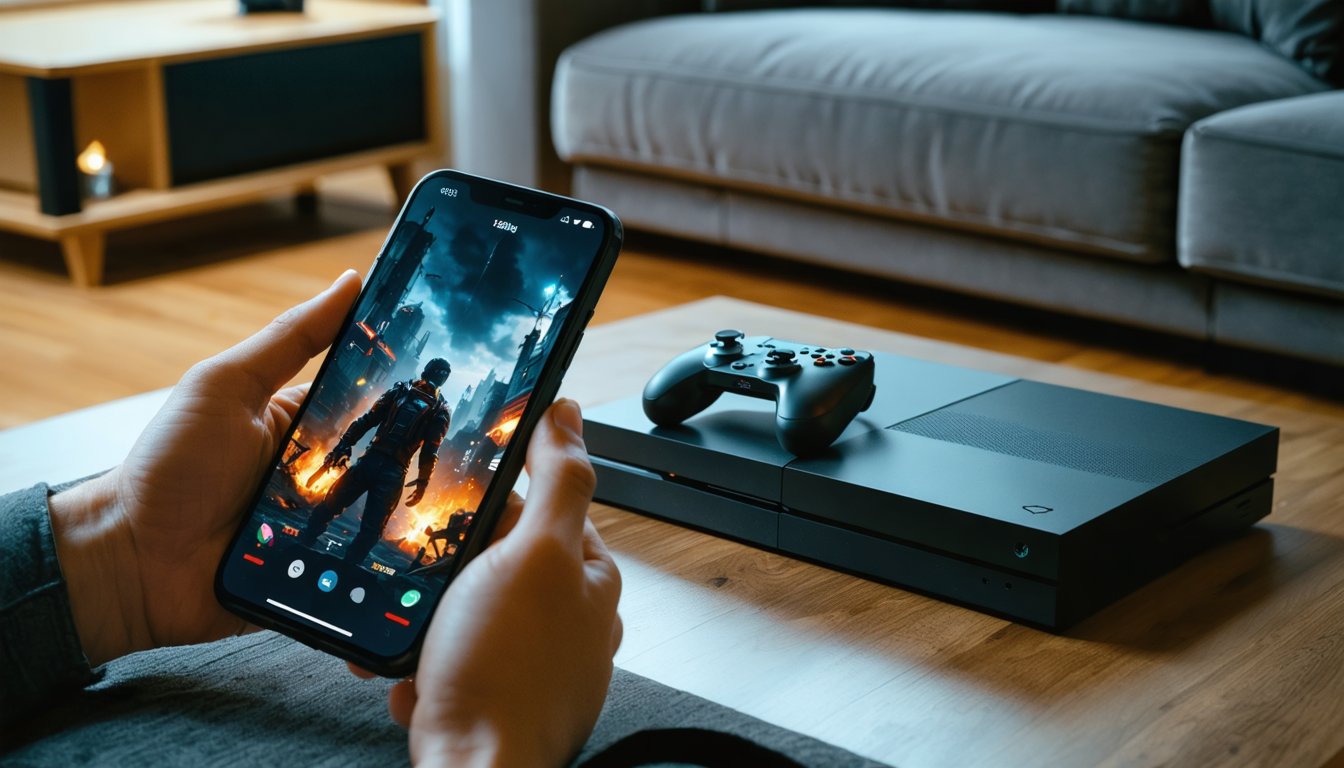
Beyond the battery, usage comfort is challenged by the device’s size and heating. Holding a smartphone during a long session, especially when it heats up, significantly reduces enjoyment. With a console, the user settles on a couch in front of a large screen, with an ergonomic controller in hand, reducing physical fatigue.
It is especially notable that players often adopt a hybrid mode: using the smartphone on the go, between commutes or breaks, and resorting to the console for prolonged relaxation sessions at home. This choice illustrates more of a complementarity than a strict rivalry between the platforms.
| Aspect | Smartphone (iPhone / Android) | Home Console |
|---|---|---|
| Graphic performance | Very high but limited by heat | Excellent and stable during long sessions |
| Ergonomics / Controls | Primarily touch, Bluetooth controllers optional | Ergonomic controllers optimized for gaming |
| Battery life | Limited by multifunction battery | Designed for prolonged sessions |
| Portability | Extremely high, always on hand | Fixed, requires a living room or dedicated room |
| Accessibility / Usage | Immediate, suited for short gaming | Immediate, suited for long gaming |
Game catalog and subscriptions: a massive and diverse offer on smartphones
The market for video game applications on smartphones has exploded. There are now thousands of available titles, ranging from premium games to independents, not to mention multiplayer phenomena and AAA success stories adapted for mobile. This diversity means that, contrary to the early days of mobile gaming dominated by casual games, today there is a very wide range of genres and business models.
Dedicated subscription systems, popular on consoles with services like Xbox Game Pass or PlayStation Plus, also have their mobile equivalents. They offer access to a varied library for a monthly subscription, facilitating discovery and play without additional fees. These services benefit from the nomadic nature of smartphones and favor short or on-the-go sessions.
However, the mobile model often remains oriented toward fragmented usage: games designed to be played in bursts, with incentives to return regularly through time-limited events or dynamic rewards. This approach contrasts with the console approach, which often favors complete adventures structured around linear and immersive progression.
As a result, while offering an abundant library, mobile gaming often engages players in a different relationship, one that is more superficial but very recurring, whereas consoles focus their efforts on long and deep experiences that “capture” players for hours of immersion.
The increased accessibility of mobile gaming, a key factor in its massive success
Accessibility is one of the main drivers that propelled video games towards the smartphone. The fact that almost every phone owner can download a game app for free or for a few euros transforms the market and the player demographics.
Unlike consoles, which require a specific, often substantial initial investment, smartphones already exist in most households. This ubiquitous presence lowers the entry barrier, creating an environment where gaming is omnipresent in daily life. Whether for young people, adults, or even seniors, mobile games offer the possibility to have fun anywhere, anytime, without additional equipment.
Moreover, interfaces designed for touch, although limiting in some types of games, are perfect for casual games, puzzles, turn-based games, card games, and slow strategies. This greatly broadens the target audience and transforms the perception of video games, once seen as a niche hobby, into a mainstream and intergenerational activity.
Innovations related to wearable technology like smartwatches continue to enrich this universe, opening the door to even smoother and more integrated daily experiences. Mobile gaming thus extends beyond the smartphone to reach multiple devices.
Video games and mobility: how gaming times have changed with smartphones
The arrival of mobile games has also profoundly changed how players dedicate time to video games. While consoles favored long, uninterrupted sessions, often in the evening or on weekends, mobile suits fragmented use, spread throughout the day, between activities.
This evolution is notably explained by the very nature of devices, which are always at hand. Notifications, messages, and multitasking impose gaming in short bursts, often on mobile networks and in diverse environments. Even the most ambitious smartphone titles are calibrated to fit this pattern, with quick saves, short sessions, and short-term objectives.
Another interesting aspect is how online gaming is becoming popular on smartphones, thanks to easier internet access and integrated platforms. Multiplayer matches happen easily, often in competitive or cooperative modes, without the user needing to invest in a complex home network or specific peripherals.
This flexibility requires a new way of thinking about video games, less focused on raw power or total immersive experience, but more oriented towards immediacy, socialization, and portability.
What trends for the future of video games between smartphones and consoles?
The video game landscape in 2026 is profoundly marked by the emancipation of the smartphone as a platform in its own right. However, consoles are not doomed to disappear; they still occupy a segment dedicated to immersion, comfort, and long experiences. Hardware innovations and hybrid ecosystems (console + mobile) outline a future where boundaries progressively blur.
We observe, for example, a technological convergence with smartphones capable of connecting to larger screens via wireless technology, thus transforming into portable living room consoles. Conversely, consoles increasingly integrate online and social features from mobile, creating bridges between platforms.
Moreover, the rise of technologies like augmented and virtual reality, combined with smartphone portability, promises unprecedented experiences where gaming is no longer limited to a fixed screen or a traditional controller.
In summary, more than replacing one technology with another, it is an evolution towards a fully integrated and diversified gaming ecosystem, accessible anytime and anywhere, yet always mindful of user experience and immersion.