
With the rapid evolution of wearable technology, the smartwatch has now established itself as an essential accessory on the wrists of millions of people. Far more than just a timekeeper, this smart object has transformed our relationship with time, health, and communication. Behind its often minimalist appearance lies a complex mechanism combining technical innovations, high-precision sensors, and sophisticated software. In 2026, these little gems combine elegance and high performance, offering a multitude of features that revolutionize our daily lives. But what are the real secrets behind how a smartwatch works? How do these devices manage to synchronize data, messages, and vital parameters while remaining discreet? This is what we will explore in detail in this article.
From synchronization with your smartphone to the various embedded applications, through energy management and health data collection, every technical aspect responds to a subtle balance between innovation and ergonomics. Through a comprehensive overview, illustrated with concrete examples and comparisons, discover how smartwatch technology has evolved to adapt to the demands of modern users while remaining accessible. Whether you are a high-tech enthusiast or simply curious to learn more about this everyday tool, this guide opens the doors to a world both futuristic and pragmatic.
- 1 The essential technological components for the functioning of a smartwatch
- 2 How synchronization between smartwatch and smartphone optimizes daily functioning
- 3 The multiple functions offered by a smartwatch and their impact on our daily lives
- 4 Battery life and power management: challenges and innovative solutions for smartwatch operation
- 5 Personal data security in the operation of smartwatches
- 6 System compatibility and interoperability: keys to the success of smartwatches
- 7 Customization and dedicated applications: expanding the smartwatch’s functionality
- 8 Technological evolution prospects for smartwatches beyond 2026
The essential technological components for the functioning of a smartwatch
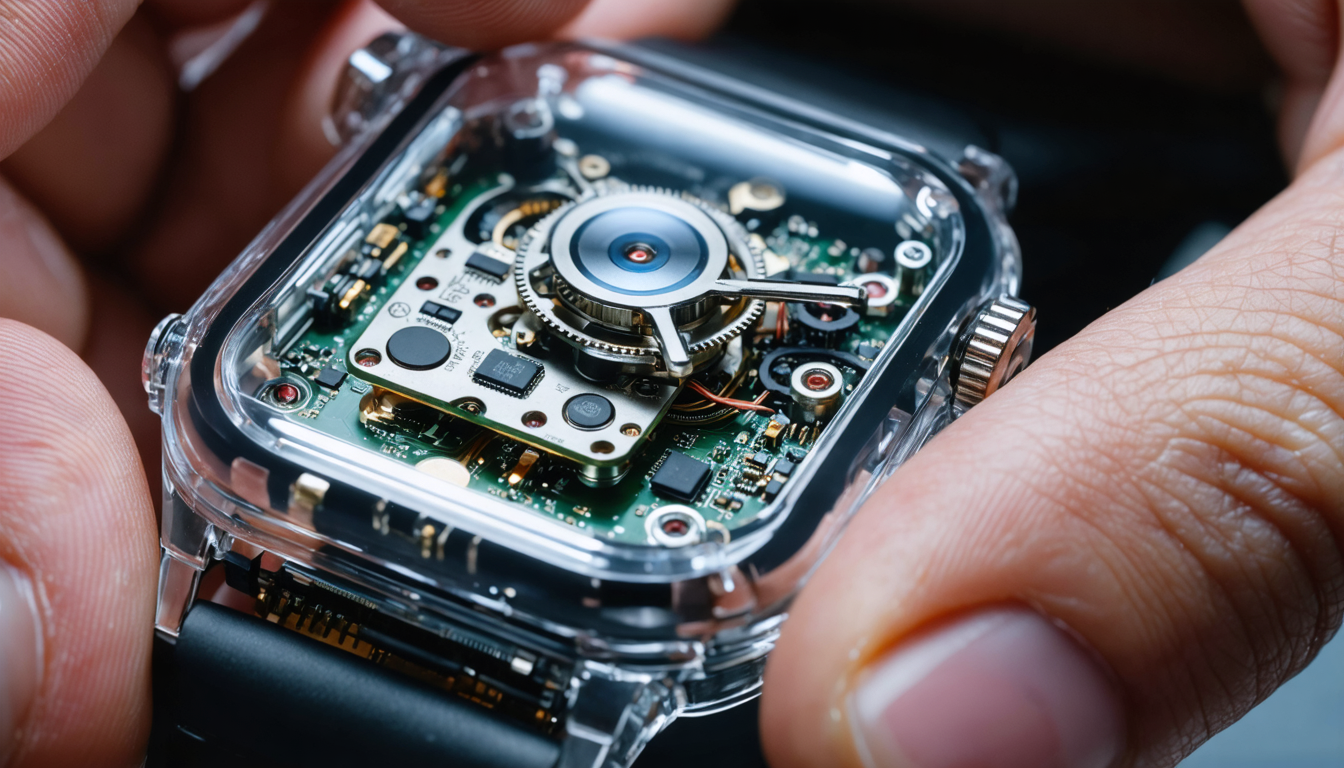
At the heart of every smartwatch is a complex architecture combining several essential technological components. These elements work closely together to ensure synchronization, data processing, and interaction with the user.
Microprocessor and memory: The watch houses a miniature microprocessor, often multi-core, that manages applications and processes captured data. Coupled with RAM and internal storage, it allows smooth software operation even with demanding processes like geolocation or real-time monitoring of vital parameters.
Integrated sensors: The functional richness largely stems from the sensors the watch includes. An accelerometer analyzes movements to count your steps or detect your type of activity. GPS provides precise location, useful both for route tracking and sports monitoring. The heart rate monitor measures your heart rate as well as other health variables such as heart rate variability for stress analysis. Thanks to an altimeter, the watch can also calculate elevation changes made during a hike. These sensors work in synergy, using advanced algorithms to transform raw data into actionable information.
Wireless communication systems: To connect to your smartphone or the Internet, the watch mainly uses Bluetooth, optimized with Bluetooth Low Energy (BLE) standard allowing fast and energy-efficient transmission. Some advanced models also feature Wi-Fi, offering an alternative connection when the phone is absent. Additionally, the integration of NFC (Near Field Communication) enables contactless payments, adding real value for the user.
All these components are orchestrated by a dedicated operating system, from leading brands like watchOS for Apple or Wear OS for Google. This system optimizes power consumption, resource management, and user interface, making the experience smooth and intuitive.
The miniaturization of these technologies, while maintaining operational robustness, is a continual challenge for manufacturers. This explains why a smartwatch can offer so many features in a case often less than 45 mm in diameter and less than one centimeter thick. The feat lies as much in the design as in the intelligent selection of integrated components.
How synchronization between smartwatch and smartphone optimizes daily functioning
Synchronization is the beating heart of a smartwatch’s modern operation. Without this smooth and constant link with a smartphone, most smart features would lose their meaning.
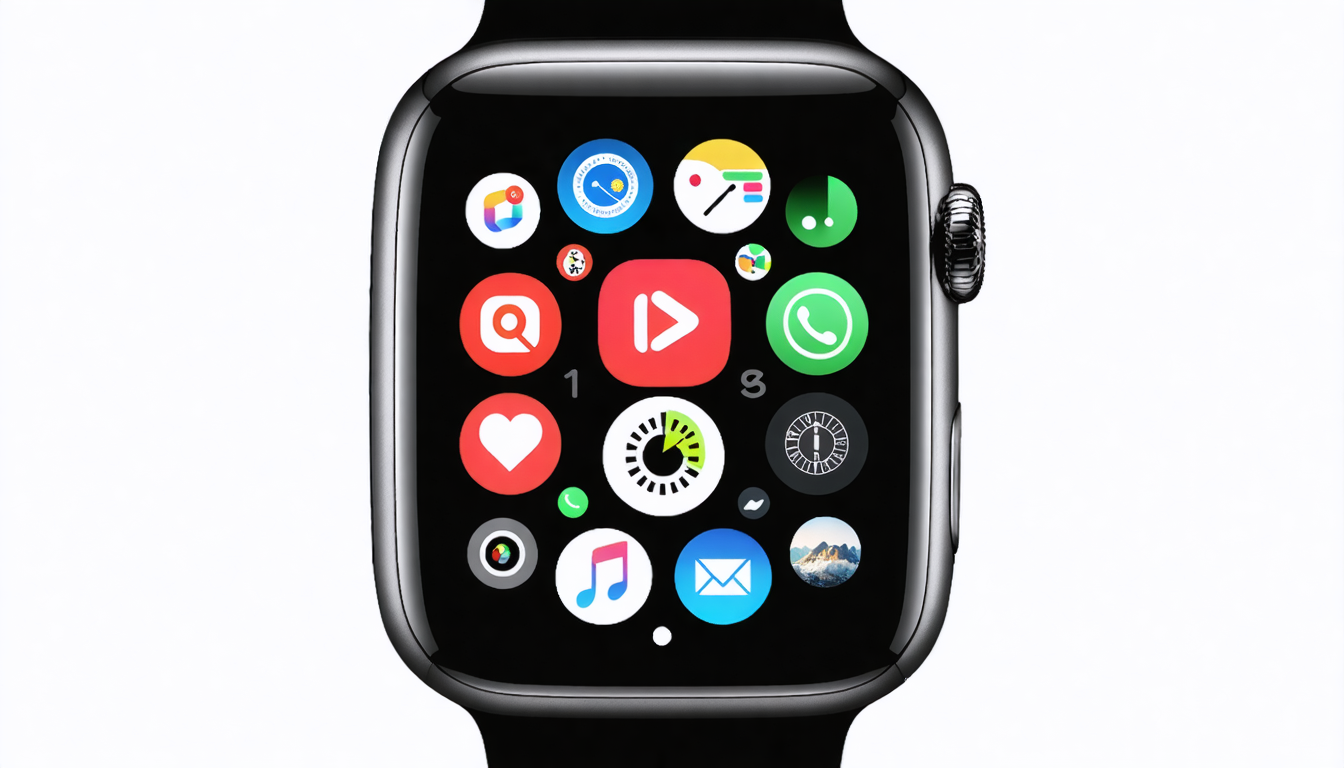
To start, the watch and phone must be paired via Bluetooth, the most commonly used technology. Initial pairing often requires installing a dedicated application: Apple Watch uses “Watch” on iPhone, Samsung offers “Galaxy Wearable,” and Wear OS requires Google’s app. Once the connection is established, the watch automatically receives notifications of calls, SMS, emails, as well as calendar updates and reminders.
Even more, synchronization allows permanent data exchange between the two devices. When a user performs physical activity, the collected data (steps, distances, heart rate) is transmitted to the smartphone for in-depth tracking through dedicated applications. For example, a running session recorded on the watch is automatically analyzed via a mobile app, generating performance charts and personalized training advice.
For users with models featuring Wi-Fi, the watch can connect directly to the Internet when the smartphone is out of range. This relay offers service continuity such as receiving messages or updating apps. Nevertheless, Bluetooth remains the preferred interface as it consumes less energy and provides a more stable connection over short distances.
Intelligent management of synchronization thus not only ensures the reception of real-time information but also optimizes battery life. The watch does not need to stay constantly connected at high power; it favors brief and efficient exchanges, thus preserving the battery.
Finally, this synchronization leads to true interaction between the apps installed on the watch and those on the phone, opening a wide array of personalized possibilities. Whether managing a calendar, following a meditation session, or controlling home automation, the wearable device becomes the natural extension of your smartphone.
The multiple functions offered by a smartwatch and their impact on our daily lives
Smartwatches no longer just display the time or vibrate when a call comes in. Today, they are true multifunctional personal assistants that enrich our digital experience intuitively.
Among the major available functions, notification reception is essential: calls, messages, app alerts, all can be comfortably viewed on the wrist. This increase in accessibility allows, for example, to reply directly to an SMS or reject a call without pulling out the phone, which often proves practical during meetings or while on the move.
The health aspect is also at the heart of their usefulness. By monitoring heart rate, step count, sleep quality, or perceived stress level, these watches offer a real personal health dashboard. Some advanced watches even perform electrocardiograms or measure blood oxygen levels, pushing the limits of home medical monitoring.
Athletes find in a smartwatch a daily digital coach. Thanks to built-in GPS and suitable sensors, it accurately calculates distances traveled, altitude, calories burned, and even the type of activity practiced (running, cycling, swimming, etc.). These data are essential to optimize training and improve performance.
Finally, more practical features like contactless payment via NFC have transformed the watch into a secure transaction tool. You can pay without pulling out your wallet or phone, speeding up daily life and appealing to a broad audience.
| Feature | Description | Daily Impact |
|---|---|---|
| Notifications | Real-time calls, SMS, emails | Time saved, better communication management |
| Activity tracking | Step counter, calories, sleep, stress | Better health awareness and motivation |
| GPS | Precise location for sports activities | Optimized training and navigation |
| Contactless payment | Secure transactions via NFC | Facilitates fast purchases without bulky items |
| Music control | Remote playlist management | A multimedia experience without handling the phone |
Beyond these classic features, the rise of personalized applications allows the installation of specific tools adapted to each user profile, opening up countless unprecedented possibilities. This proliferation of uses helps make these watches indispensable to many users worldwide.
Battery life and power management: challenges and innovative solutions for smartwatch operation
The battery remains one of the major challenges to ensure optimal functioning of smartwatches. Indeed, these devices concentrate many energy-hungry functions, from sensors to data processing, through wireless communications and the screen.
Generally, watch battery life ranges from 1 to 15 days, depending on the model and usage. High-end watches with high-definition OLED screens, active GPS, and multiple sensors consume more and often require daily charging. Simpler models, focused on basic use and energy-efficient screens, can last several days without needing to be plugged in.
Manufacturers invest in various technical solutions to optimize this autonomy. Among these are:
- Software optimization: the operating system intelligently manages sleep cycles and sensor activation based on usage context.
- Power-saving modes: some devices offer specific modes that limit operation to essential functions, thus increasing the duration between charges.
- Battery improvements: denser and more compact batteries are developed to hold charge longer without increasing size.
- Fast charging: now a common technology, to quickly get the watch operational again in case of urgent need.
In some recent extended-autonomy models, lowering sensor sampling frequency or temporarily disabling GPS can save several hours of use, making a difference during prolonged outdoor usage.
The balance between performance and autonomy remains a delicate compromise for engineers. It is about providing a rich user experience, while ensuring that battery life does not become a daily obstacle. The rise of artificial intelligence in energy management promises to optimize smartwatch resources even more finely in the near future.
Personal data security in the operation of smartwatches
Beyond performance and features, the smartwatch raises a fundamental issue linked to data protection. By processing large amounts of sensitive personal information — health data, location, communications — these devices must guarantee a high level of security to preserve users’ privacy.
The types of data collected include:
- Biometric data: heart rate, sleep quality, sporting activity.
- Personal data: messages, calls, notifications.
- Geolocation via GPS.
This information, sometimes very intimate, requires strict measures. Here are some common practices to protect these data:
- Locking the watch via password, PIN code, or biometric recognition (fingerprint, facial recognition associated with the smartphone).
- Application permission management to restrict access to sensitive information and prevent leaks.
- Use of secure connections notably via encrypted Bluetooth or Wi-Fi.
- Deactivation of sensitive services such as GPS tracking when not needed.
Facing these challenges, the major market players — Apple, Google, Samsung — integrate advanced encryption systems and apply regular updates aimed at fixing vulnerabilities. Apple, for example, stores health data locally on the iPhone, thus limiting their exposure to the cloud. Samsung uses Knox, an enhanced security solution, while Google deploys prompt updates for its Wear OS.
In a context where technological innovation is constant, security remains a cornerstone of user trust. The evolution towards more secure architectures, combined with user awareness, will help dispel concerns and encourage wider adoption of smartwatches in various fields.
System compatibility and interoperability: keys to the success of smartwatches
A smartwatch, to function fully, must integrate perfectly into the user’s technological ecosystem. This integration mainly depends on compatibility between the watch and the smartphone, as well as the interoperability protocols of the applications.
Three operating systems dominate the market in 2026:
- watchOS by Apple, optimized for seamless integration with iOS and Apple products.
- Wear OS by Google, offering a flexible platform compatible with most Android smartphones and limited compatibility with iOS.
- Tizen mainly used by Samsung, offering a smooth interface and a wide range of proprietary applications.
The choice of watch therefore largely depends on the mobile device you own. An iPhone will benefit from perfect synergy with the Apple Watch, while an Android user can enjoy a more varied offer but with an often less integrated range of apps and features.
Interoperability goes beyond the simple operating system. It also includes the watch’s ability to communicate with other connected objects at home (home automation), online health platforms, or cloud services for data backup and analysis. This extended connectivity is a major challenge to maximize daily use of the smartwatch.
Thus, checking compatibility before purchase is essential to fully appreciate the power of these devices’ possibilities. It is not just about choosing an aesthetically pleasing model but selecting a product that will seamlessly blend into your digital world without friction.
Customization and dedicated applications: expanding the smartwatch’s functionality
One of the secrets of the growing enthusiasm around smartwatches lies in their ability to be deeply personalized. Beyond the native functions, the possibility to install applications opens an unlimited field of uses, tailored to each user’s specific needs.
Specialized app stores now offer thousands of apps, transforming the watch into a highly versatile tool. From health apps for sleep tracking, breathing exercises, or guided meditation, to sports apps offering tailored training programs, each user finds something suitable.
For leisure and entertainment lovers, simple games or social media trackers are accessible at the wrist’s reach. Practically, there are task list managers, intelligent voice commands, or home automation control tools. This richness of personalized applications is often enhanced by regular updates that continually enrich the experience.
Customization also extends cosmetically. You can change the watch face appearance, choose animated wallpapers, or opt for different bracelet styles, allowing the watch to express your personality while maintaining a high level of performance.
In brief, thanks to a flourishing ecosystem of applications and a flexible interface, the smartwatch has become a multimodal tool that accompanies users in their daily activities, leisure, and well-being, far beyond just showing the time.
Technological evolution prospects for smartwatches beyond 2026
Innovations in the field of smartwatches continue to progress, and the outlook for the coming years promises major revolutions.
One of the strong directions concerns autonomous connectivity: watches equipped with eSIM already allow some functions without a smartphone, but total independence is envisaged, with 5G and beyond networks integrated directly into these devices. This will give more freedom and autonomy to users, especially athletes or adventurers.
On the health front, integrating ever more advanced sensors makes it conceivable for a watch to detect cardiac anomalies early, infections, or even continuously assess overall health status. Artificial intelligence will play a key role in automatically analyzing this data, providing proactive advice or alerting medical services if necessary.
Augmented reality could also appear with holographic screens or interactive connected glasses synchronized with the watch, further enhancing easy access to information in a discreet format.
Finally, advances in flexible materials and renewable energy might lead to watches that are lighter, more comfortable, or even self-powered through ambient energy harvesting.
Ultimately, tomorrow’s smartwatch promises to be a concentrated innovation serving a better quality of life, increasingly invisible and intuitive, perfectly combining aesthetics and high technology.