
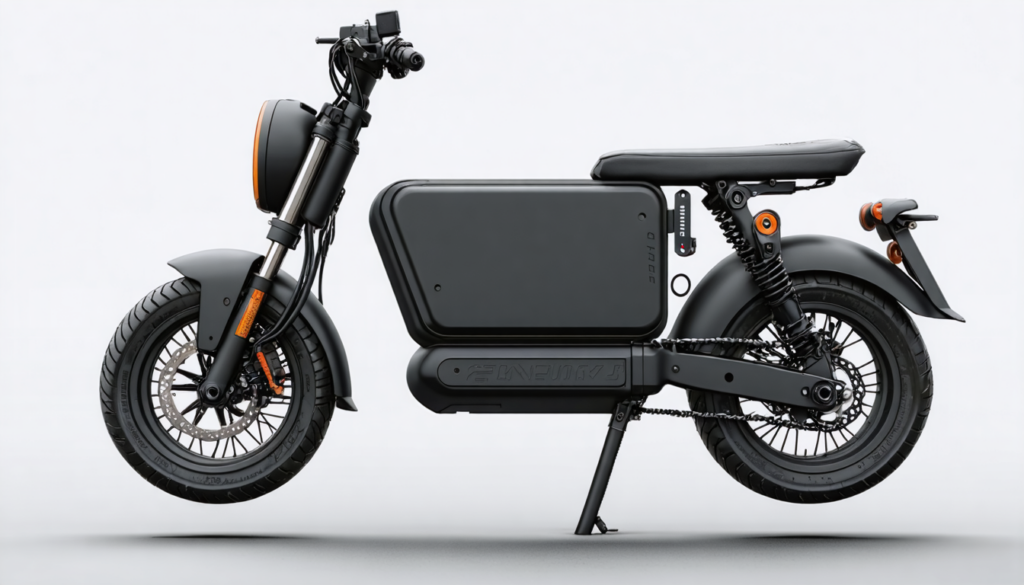
Did you think the electric scooter was just a simple urban toy for teenagers seeking freedom or an occasional ride to the bakery? Forget that outdated image. Today, these machines have profoundly evolved, becoming true powerful, intelligent mobility tools suited for a wide audience. Between technological innovations and enhanced performance, the market now offers models capable of delivering high power without compromising autonomy. Yet, faced with numerous options, a strategic choice is required: which motorization should be favored to optimize the power and performance of an electric scooter? Defects, qualities, concrete examples, regulations, everything is questioned in this comprehensive dossier.
The motor, torque, battery, energy efficiency, maximum speed, autonomy… So many interdependent factors that truly define the riding experience but also the durability of the equipment. In 2025, thanks to the constant progress of brushless motors and lithium batteries, the line between leisure and utility has blurred. Discovering which motorization best suits your needs is therefore no longer a simple question of wattage but rather a global and personalized approach to your mode of travel.
This guide is intended for both city dwellers seeking a light and responsive vehicle and adventurers of rugged terrains. We explore different power categories, available motor types, motor torque influence, energy choices to be made, not to mention the legal framework that strictly regulates this rapidly growing market. Through precise examples, comparison tables, and detailed analyses, discover how to combine power and performance to fully exploit the potential of your electric scooter.
- 1 Motor power: key criterion for choosing a versatile electric scooter
- 2 In the world of electric scooters, understanding the differences between brushless motors and brushed motors
- 3 Impact of motor power on maximum speed and uphill performance
- 4 Autonomy and performance: the importance of the lithium battery in motorization
- 5 Advantages and disadvantages of single and dual motors for a high-performance electric scooter
- 6 Motor power and French regulations: staying legal with a city scooter
- 7 Summary table: which motor power and autonomy according to your user profile?
Motor power: key criterion for choosing a versatile electric scooter
The power of an electric motor is expressed in watts (W). This parameter is fundamental because it directly determines the scooter’s performance, notably its acceleration capacity, maximum speed, and ability to climb slopes. Choosing the right motor power primarily guarantees a pleasant ride, adapted to one’s profile and journeys, while avoiding unnecessary consumption of the lithium battery.
In practice, models accessible to the general public generally vary between 250 W and 1000 W. Scooters with a 250 W motorization are very common and accepted by French legislation for urban travel on public roads. At this power, the stable speed caps at 25 km/h, while uphill performance remains limited (difficulty as soon as the slope exceeds 10%). This makes it a relevant choice for light users, short trips, and flat terrains.
In the mid-range, a motor between 350 W and 500 W provides a noticeable improvement in capabilities. This range represents the most balanced compromise between power and autonomy. Here, gains in motor torque translate into better start-up responsiveness and increased ease on hilly roads. The maximum speed remains legally capped around 25 km/h, but the riding sensations are clearly superior to a weaker motorization. Furthermore, the lithium batteries used in these models guarantee a comfortable average autonomy, often between 20 and 40 km depending on weight and type of use.
Beyond 800 W, the motorization becomes more suited to demanding users: frequent trips, rough terrains, significant weight, or simply a desire for performance. These motors can climb very steep slopes, offer explosive acceleration, and exceed conventional speed limits, although detuning is often prohibited on public roads. In 2025, these high-power scooters approach utility models, and some even integrate dual motors to maximize traction and stability.
In summary, knowing your ideal motorization means identifying your needs in terms of speed, terrain, load, and autonomy. A well-calibrated motor ensures not only safe driving but also good energy efficiency, avoiding premature wear of the lithium battery and mechanical components.
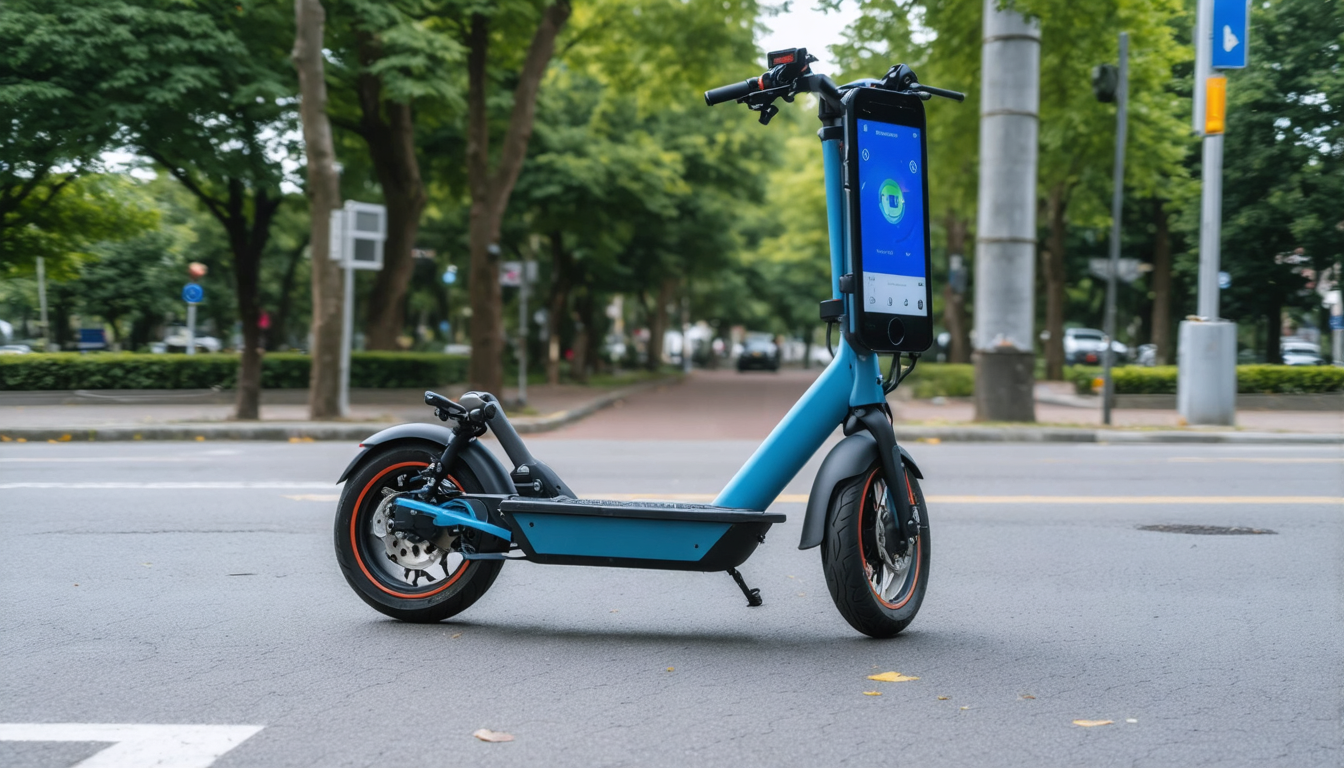
In the world of electric scooters, understanding the differences between brushless motors and brushed motors
When discussing the motorization of an electric scooter, two types of motors dominate the market: brushless motors and brushed motors. This technical choice impacts the vehicle’s efficiency, durability, and overall performance.
Brushless motors have become the norm due to their many advantages. These motors operate with fixed coils and moving magnets, which eliminates friction related to brushes present in brushed motors. This operation results in better energy efficiency and less wear. The motor torque is generally higher and more consistent, providing smoother acceleration and improved performance on all types of terrain. Brushless motors are also quieter, enhancing the daily user experience.
On the other hand, brushless motors can be more costly to manufacture and repair. Nevertheless, their prolonged lifespan and better efficiency often justify the initial investment, especially for those who use their scooter intensively.
Conversely, brushed motors stand out for their mechanical simplicity: the current passes through brushes that rub against a rotary collector to produce motion. Cheaper to produce, these motors are however prone to faster wear, lower energy efficiency, and higher noise production. These factors result in reduced autonomy and lower effective power, especially uphill or at high speeds.
Ultimately, in 2025, it is rare to find consumer models equipped with brushed motors, except in entry-level segments where price is the decisive factor. For optimal performance and better longevity, brushless motorization remains widely recommended, partly thanks to synergy with modern lithium batteries capable of efficiently delivering high currents.
Impact of motor power on maximum speed and uphill performance
Power is intrinsically linked to the maximum speed an electric scooter can reach, but it also significantly influences its capacity to overcome topographical obstacles, notably slopes. Moving in an urban or semi-rural environment imposes very different demands on the motor.
A low-power motor (250 W) allows reaching the regulatory speed of 25 km/h on flat terrain, provided the user weight is moderate. However, as soon as the route profile includes slopes over 8-10%, the same motor proves insufficient, causing speed reduction and sometimes the need to push the scooter on foot. This can quickly compromise the practicality of this transport mode for people living in hilly areas.
Switching to a motorization between 500 and 750 W changes the game. The maximum speed remains capped but the scooter can maintain a more constant speed even uphill, offering better comfort and control. This feature is all the more important for users wishing to avoid the stigma linked to poor performance on complex routes.
Very powerful models (1000 W and above) offer a radically improved experience. Acceleration is explosive, recoveries exceptional, and top speed is easily maintained on all gradient types. Some off-road destined machines, equipped with two brushless motors, can reach speeds exceeding 60 km/h on private terrain, with the ability to climb slopes up to 25% or more. However, it must be borne in mind that this power requires a substantial lithium battery, as well as a reinforced frame and efficient braking systems to ensure safety.
It is thus crucial to balance power according to actual use to avoid both technical limits and regulatory and safety issues. Excessive power poorly exploited will lead to premature wear and reduced autonomy, while too little power can quickly become frustrating.
Autonomy and performance: the importance of the lithium battery in motorization
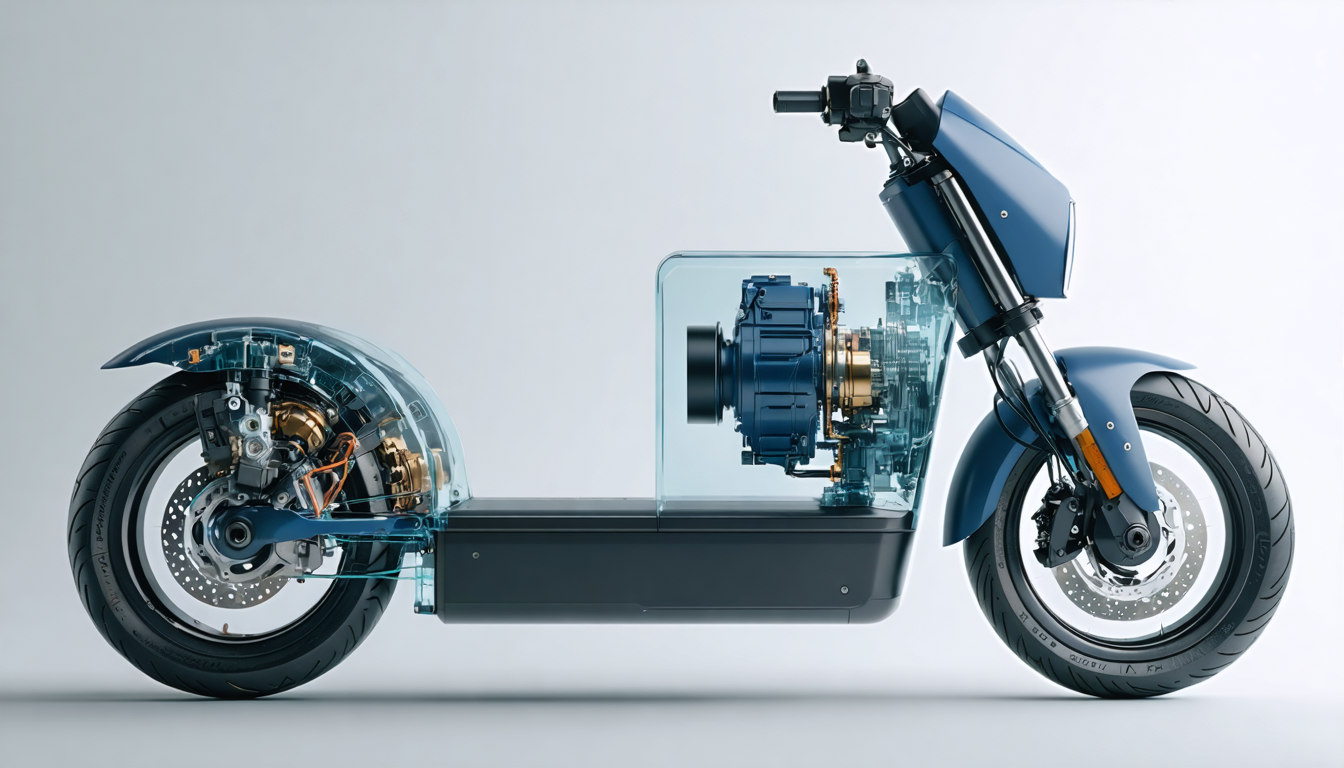
The power and performance of an electric scooter also closely depend on the quality of the integrated lithium battery. In 2025, advances in this technology have optimized energy storage while lightening battery packs, often at the core of the vehicle’s overall efficiency.
A good quality lithium battery not only ensures adequate ampere-hour (Ah) capacity and appropriate voltage (36V, 48V, 52V are standards) but also excellent resistance to charge cycles and optimal safety. Voltage influences the effective power delivered by the brushless motor: the higher the voltage, the more power can be exploited steadily and efficiently.
Conversely, an undersized or aging battery contributes to a drop in motor torque and a noticeable decrease in autonomy. The latter can drop drastically depending on riding style, rider weight, and terrain. For example, an electric scooter with a 500 W brushless motor can display an average autonomy of 35 km on flat terrain and moderate speed, but this autonomy can be reduced by 30 to 40% during uphill trips or at high speeds.
Battery choice also impacts charging time, an essential factor for daily users. Modern models now accept fast charging without overly degrading lifespan, allowing more usage flexibility. It is advisable to favor batteries signed by recognized manufacturers, with an integrated intelligent management system (BMS) ensuring safety and the best possible duration.
Finally, motorization optimization involves fine coordination between brushless motor, lithium battery, and electronic controller. The latter modulates power sent to the motor, regulating maximum speed while managing current to preserve energy and avoid unnecessary consumption peaks. Overall energy efficiency is then maximized, ensuring a better user experience.
Advantages and disadvantages of single and dual motors for a high-performance electric scooter
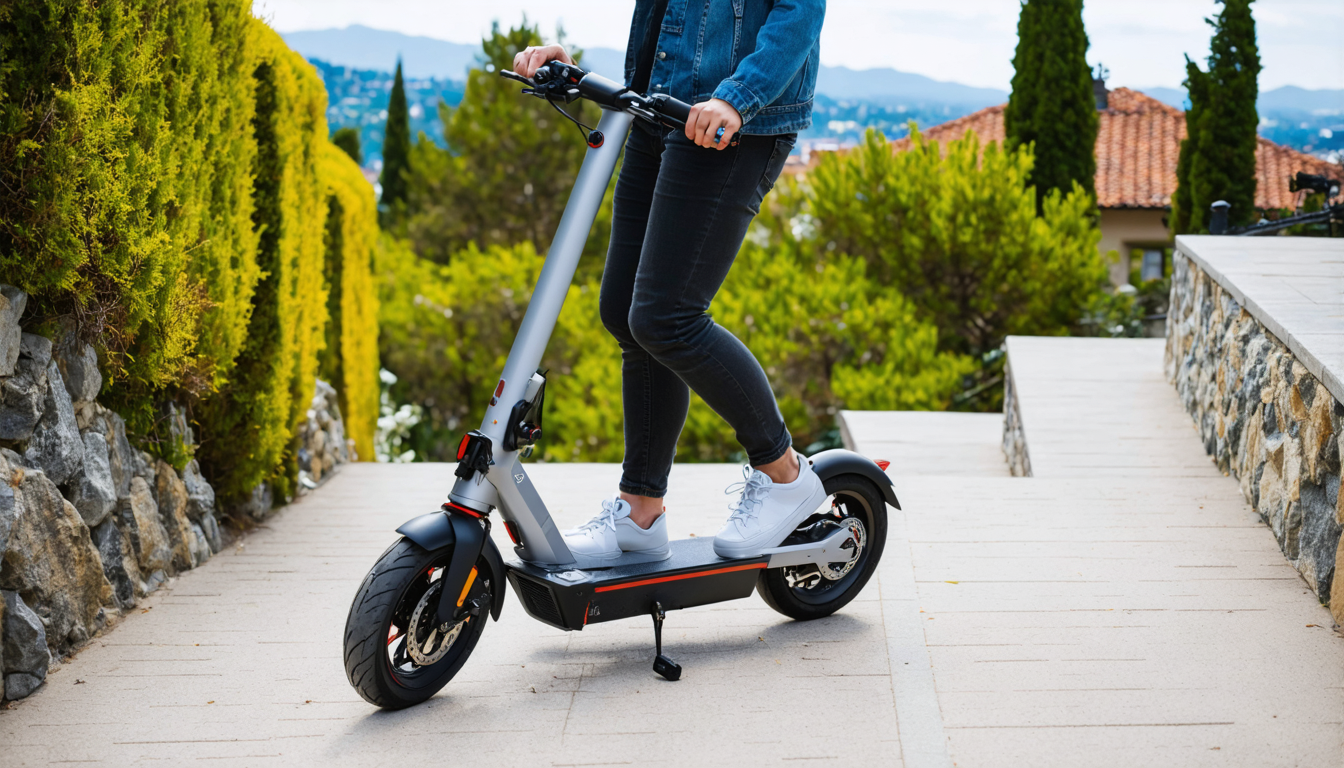
Another important dimension in motorization choice concerns the motor configuration: single or dual motor. Most electric scooters are equipped with a single motor, usually located in the rear wheel. This system is simple, efficient, and sufficiently performant for most urban uses.
The main advantages of a single motor are lightness, a more affordable cost, and less complex maintenance. Power is concentrated and energy efficiency well controlled, which preserves the lithium battery and extends autonomy. This configuration perfectly suits 90% of users who prioritize lightness and simplicity without sacrificing performance in an urban or suburban setting.
Conversely, some scooters aimed at thrill-seekers or off-road trips opt for dual motorization: one in each wheel. This dual motorization offers significantly higher torque and optimized traction, allowing climbing steep slopes, overcoming obstacles, or asserting greater stability in turns or on slippery terrain.
While dual motors thus guarantee brute power and impressive acceleration, the downsides are notable: increased total weight, reduced autonomy due to higher consumption, and higher cost for both purchase and maintenance. For purists, dual motors mean the best performance but with a compromise to evaluate according to use and budget.
This choice is akin to that of a demanding gamer selecting a high-performance but resource-intensive character class. Practically, in 2025, except for specific use cases, the single motor remains the standard recommended by electric mobility experts.
Motor power and French regulations: staying legal with a city scooter
Riding safely and within the law is an unavoidable aspect when choosing the motorization of an electric scooter in France. In 2025, regulations strictly govern technical characteristics to ensure harmonious coexistence with other road users.
According to official rules, any electric scooter traveling on public roads must be equipped with a motor with a maximum rated power between 250 W and 500 W, with electronically limited maximum speed set at 25 km/h. Any unauthorized exceeding of these limits leads to penalties and may render the scooter uninsured in case of an accident. Moreover, scooters must not have seats nor be approved for uses other than standing riding.
Yet, many models available on the market display higher powers, sometimes up to 1000 W or more. These are often electronically limited to comply with standards or intended for private use on closed terrains not subject to public regulations. Some users also seek to unlock their device to fully exploit the power, but this remains an offense under the law.
It is therefore essential to carefully consider regulations to adapt one’s choice: a brushless motor from 350 W to 500 W guarantees both satisfactory performance and compliance with standards, while ensuring better lithium battery longevity thanks to optimized efficiency. For further information, reading official Public Service resources related to Motorized Personal Transportation Devices (EDPM) is recommended.
Summary table: which motor power and autonomy according to your user profile?
| User profile | Recommended power (W) | Average autonomy (km) | Characteristics |
|---|---|---|---|
| Urban student (short trips) | 250 – 350 | 20 – 25 | Light, compact, maneuverable in city |
| Urban worker (daily trips) | 350 – 500 | 25 – 40 | Good performance/autonomy compromise |
| Hefty build or frequent hills | 500 – 800 | 30 – 50 | High motor torque, good recoveries |
| Thrill-seeker or off-road | 1000 and above | 40 – 80 | High power, heavy weight, often private use |
For those seeking an additional dose of information, here are four essential criteria to integrate into your thinking before purchase:
- Motor torque: Essential for responsiveness and climbing slopes.
- Motor type: Brushless recommended to optimize performance and durability.
- Battery voltage: Choose a high-voltage lithium battery for better efficiency.
- Electronic controller: The system that manages power for more efficiency.